







Skip to content
Find your happy place

Davenport Home

We are a service that aspires to provide the best customer service to all our perfect home dreamers and perfectionists. If you want to indulge in a part of this experience, hire our services and audit for yourselves.

planning and Design

If you're looking for a service to plan and design your exteriors and interiors of a building, then we're the right ones to invest in.

project management

Our project management team work around the clock and sticks to their deadline. Hence, the word delay is eliminated from our professional dictionary.

Construction

With the best design, quality and raw materials, our construction is impeccable.

I need to furnish my new house on a realistic budget

If you’re looking for the right accessories and furniture to decorate and celebrate your new house, we will help you do it, while you sit back and relax and all within your budget.

Rated 5 out of 5
I had a low budget for my interior designing, yet they made my house look like so elite. I love their services.
Scott B Bruno

Interior Design Consultancy

Our interior designing team will sit and work with you day and night, to curate the best-looking interiors to match your needs and personality.

Construction

Once your plan is ready, the essential part of building a building, and decorating it, is construing it in the right manner, according to the plan. You can have complete trust in our services as we’re an expert in the construction.

Delightfully affordable

Interior design is for everyone

We not only entertain the elite and high-budget ones. But also equally plan and celebrate the lower budget projects, because we are dedicated to giving you the best experience, irrespective of the budget.

Classic

Modern

Minimal

Latest News

Future-Proofing Your Online Showroom: A Guide for Home Furnishing Brands

Person holds a smartphone using an augmented reality app to visualize a virtual chair in their bright, modern living room.

Future-Proofing Your Online Showroom: A Guide for Home Furnishing Brands

Ever fall in love with a sofa online, only to hesitate, wondering, “But how will it really look in my living room?” That gap between the glowing screen and your physical space is the biggest challenge in digital home furnishing. It’s a chasm of doubt filled with questions about scale, color, and that gut feeling you only get when you see something in person.

A woman relaxes on a stylish sofa in a minimalist living room, browsing a home furnishings website on her tablet.

At davenporthomefurnishings.com, we’re obsessed with closing that gap. We believe shopping for your home should be an experience filled with confidence and creativity, not guesswork and crossed fingers. That’s why we’re constantly exploring the future of the online showroom. We see it not just as a store, but as a design partner.

In this guide, we’ll pull back the curtain and show you the exciting technologies and strategies that forward-thinking home furnishing brands are using to build a better shopping experience for you. This isn’t some far-off sci-fi concept; this is what the future of furniture shopping looks like, and it’s what you should expect from the best.

Key Takeaways

  • Future-proofing isn’t just a buzzword for brands; it’s about creating a more confident, personalized, and realistic shopping experience for customers.
  • Technologies like Augmented Reality (AR) are solving the number one customer problem: visualizing furniture in your own home before you commit.
  • AI-powered personalization helps cut through the clutter, acting as a digital stylist to find pieces that match your unique taste, needs, and budget.
  • The best online showrooms blend high-tech tools with an indispensable human touch, offering expert design advice and genuine support.
  • Crucially, a future-proof experience makes great design accessible, ensuring a fantastic and empowering journey regardless of your project’s budget.

TL;DR

The future of online home furnishing showrooms revolves around using technology like Augmented Reality (AR) and AI to help customers visualize products in their own space, receive personalized recommendations, and enjoy an immersive shopping journey. For brands like davenporthomefurnishings.com, this means creating a confident and accessible experience for every customer, no matter the size of their budget.

A Truly Future-Proof Online Showroom Solves the Core Challenge of Visualization and Trust

A truly future-proof online showroom is built around solving the customer’s core challenge of visualization and trust. The traditional online store, with its grid of static images and flat descriptions, forces you to do all the heavy lifting. You’re expected to be a designer, a space planner, and a bit of a psychic, all while trying to judge the texture of a chenille fabric from a 600-pixel image. This creates uncertainty and a very real fear of making a costly mistake—a mistake that you then have to figure out how to return.

The modern goal is to transform that passive browsing session into an active, engaging design experience. It’s about bringing the product to life in your world, building the confidence you need to move from “I like it” to “I need it.” The entire home furnishing industry is moving beyond simple e-commerce. Brands are now tasked with creating a sophisticated digital twin of their business that is as helpful, inspiring, and trustworthy as the best physical showrooms. The ones that succeed will be those who make you feel understood and empowered every step of the way.

Augmented Reality (AR) is Bridging the Gap Between Online Browsing and In-Home Reality

Augmented Reality (AR) technology is the single most powerful tool for eliminating the guesswork in online furniture shopping by using your phone’s camera to place a true-to-scale 3D model of an item directly into your room. It sounds like something out of a movie, but it’s becoming an essential feature for any serious online furniture retailer. This isn’t just a gimmick; it’s a direct solution to the most significant barrier to buying online. In fact, research from Shopify shows that products with 3D and AR content have a 94% higher conversion rate than those without.

Eliminate the Guesswork with “View in Your Room”

The “View in Your Room” feature is the hero of the modern online showroom. With a simple tap, you can see if that sleek, mid-century modern armchair will overpower your cozy reading nook or fit perfectly. You can check how the deep navy velvet of a sofa contrasts with your light gray walls, or whether the warm oak of a coffee table clashes with your cool-toned floors. It moves the decision-making process from your head, where everything is an estimate, into your actual home, where you can see the reality. No more breaking out the measuring tape and squinting, trying to imagine how 36 inches of width will feel in the corner.

Understand Scale and Proportion

One of the internet’s greatest illusions is its ability to distort scale. That grand, inviting sectional you see in a professionally styled photo might look more like a behemoth in your modest apartment. Conversely, a delicate side table can get completely lost next to your oversized sofa. AR provides an immediate, visceral sense of how a piece will occupy your space and relate to your existing furniture. It answers critical questions instantly: Does this dining table leave enough room to walk around? Is this bookshelf too tall for the wall? By grounding the digital product in your physical reality, AR builds a foundation of trust and prevents that dreaded “it looked different online” moment.

AI-Powered Personalization is Creating a Unique Shopping Journey for Every Visitor

Artificial Intelligence (AI) in e-commerce is creating a unique shopping journey for every single visitor, moving far beyond a one-size-fits-all catalog. Instead of showing everyone the same overwhelming sea of products, AI algorithms learn from your behavior—the styles you click on, the colors you favor, the price points you consider—to present a curated selection that aligns with your personal taste. It’s less “Big Brother is watching you shop for lamps” and more “your super-stylish friend who just gets you* and wants to save you time.

Your Personal Digital Stylist

The most effective AI acts as a digital stylist. It doesn’t just show you what you’ve already looked at; it anticipates what you might love next. For example, it can suggest complementary items to help you build a cohesive look. If you’ve been eyeing a minimalist oak dining table, the AI might recommend a set of sleek upholstered chairs or a simple pendant light that shares the same design language. This intelligent curation helps you see the bigger picture and assemble a complete, thoughtfully designed room, rather than just buying isolated pieces.

Interactive Quizzes and Guided Shopping

One of the most engaging ways brands are using AI is through interactive style quizzes. You might answer a few fun, visual questions about your ideal vacation spot, your favorite color palettes, or the “vibe” you want for your home. Based on your answers, the AI engine can filter an entire catalog of thousands of items down to a manageable, personalized showroom filled with pieces that reflect your unique design personality. This turns a potentially tedious search into a delightful journey of discovery, making you feel seen and understood from the moment you land on the site.

A bright and clean modern living room, elegantly furnished, representing the ideal result of a future-proofed online shopping experience.

Immersive Content and High-Fidelity Visuals Are Building the Trust That Static Photos Can’t

To build the confidence needed for a major purchase like furniture, customers need to see and understand a product from every angle and in realistic scenarios. Static, two-dimensional photos simply can’t convey the quality, texture, and craftsmanship of a well-made piece. This is why high-fidelity visuals are no longer a luxury but a necessity for earning customer trust in a digital-first world.

360-Degree Product Views

The ability to digitally spin, zoom, and inspect a product from all sides is the next best thing to walking around it in a physical store. A 360-degree view allows you to see the elegant taper of a table leg, the construction of the back of a sofa, or the joinery on a wooden cabinet. It provides a complete picture, leaving no detail to the imagination. This level of transparency shows that the brand is proud of its product from every angle and has nothing to hide, which is a powerful trust signal for any customer.

High-Definition Video and Material Close-ups

Is that velvet actually velvety? Is the wood grain real or a very convincing laminate? High-definition video tours and macro photography answer these crucial questions. A short video can showcase the soft-close mechanism of a drawer, the plushness of a cushion as someone sits down, or the way light plays across a polished surface. Extreme close-up shots can reveal the intricate texture of a woven fabric, the subtle variations in a slab of marble, or the quality of the stitching on a leather armchair. These details communicate a level of quality and craftsmanship that words alone cannot capture, helping you make a more informed and confident decision.

The Most Advanced Technology is Worthless Without a Genuine Human Connection

The most advanced online showroom uses technology to enhance, not replace, the expertise and empathy of design professionals. For all the incredible power of AR and AI, there are times when you don’t need an algorithm; you need a human who can listen to your unique challenge and offer creative, practical advice. The future isn’t about automation versus people; it’s about using automation to handle the simple tasks so that people can focus on what they do best: connecting, advising, and inspiring.

Live Chat with Real Designers

When you have a quick question—”Does this fabric hold up well with pets?” or “What other finishes does this come in?”—getting an instant answer from a knowledgeable person can be the difference between a purchase and an abandoned cart. The best brands offer live chat support staffed by real design experts, not just customer service bots. This provides immediate access to professional advice, making the online experience feel more personal and supportive.

Bookable Virtual Consultations

For more in-depth projects, the option to book a one-on-one virtual consultation is a game-changer. During a video call, you can show a designer your actual space, discuss your goals, and get personalized layout and product recommendations in real time. This service bridges the final gap between the digital and physical worlds, offering the kind of bespoke guidance that was once reserved for high-end interior design services. It’s a powerful way to build a relationship with a brand and ensure your final choices are perfect for your home.

The Ultimate Goal of Future-Proofing is to Make Exceptional Design Accessible to Everyone

The most exciting part of this technological evolution is that these powerful tools and strategies aren’t just for luxury brands or customers with unlimited budgets. They are powerful equalizers that enhance the shopping experience for any project, on any budget. A future-proof showroom understands that great design is not about how much you spend, but about how well a piece fits your space, your life, and your style.

Visualizing Value for Every Budget

Technology like AR can be a powerful tool for budget-conscious shoppers. It can help you confidently choose a more affordable, perfectly-sized sofa over a more expensive one that wouldn’t actually fit the space as well. It allows you to see how a less expensive but beautifully designed coffee table can still elevate your entire room. These tools empower you to make smarter, more confident decisions, ensuring you get the absolute best value and the perfect result, regardless of your budget.

Our Commitment at Davenport Home Furnishings

This principle is the core of our philosophy at davenporthomefurnishings.com. We believe a world-class experience shouldn’t depend on your budget. Whether you’re furnishing a starter apartment or a grand estate, our goal is to provide you with the best tools and expert guidance. We are dedicated to celebrating every project and giving you the best experience, because great design is for everyone. You can explore the full range of our articles on our post sitemap or browse our main collections through our page sitemap to see how we cater to every style and budget.

Your Living Room, Reimagined

The future of the online showroom is here, and it’s interactive, personal, and built on a foundation of trust. From Augmented Reality that places a chair right in your room to AI that learns your unique style, the focus is entirely on empowering you, the customer. These technologies are breaking down the old barriers of online shopping, transforming it from a gamble into a confident and creative process.

Ultimately, a truly “future-proof” brand is one that invests in your confidence. It’s a brand that understands that its job is not just to sell furniture, but to help you create a home you love. It works to make the design process joyful, intuitive, and accessible, no matter the scale of your project or the size of your wallet.

Frequently Asked Questions

What is the biggest challenge when buying furniture online?
The primary challenge is the gap between seeing an item on a screen and knowing how it will actually look and fit in your physical space. This creates uncertainty about the product’s scale, color, and overall feel in your home.
What does it mean to ‘future-proof’ an online showroom?
For customers, future-proofing means creating a more confident, realistic, and personalized shopping experience. It involves using advanced technology to move beyond a simple online catalog and become a helpful design partner that reduces guesswork.
How are home furnishing brands improving the online shopping experience?
Brands are integrating exciting technologies, such as Augmented Reality (AR) and advanced visualization tools. These features help customers see how products will look in their own rooms, bridging the gap between online browsing and real-life application.
What is the ultimate goal of these new online furniture store technologies?
The main goal is to empower customers to shop with confidence and creativity. By providing tools that offer a more realistic preview of furniture in a personal space, brands aim to eliminate the doubt and hesitation often associated with online home furnishing purchases.

A Homeowner’s Guide to Vetting Gulf South Roofers: Key Qualities of Top Firms Like Priority Roofing

Professional, uniformed roofer carefully inspects the shingles on a sunlit residential roof, ensuring its quality and dura...

A Homeowner’s Guide to Vetting Gulf South Roofers: Key Qualities of Top Firms Like Priority Roofing

Living in the Gulf South is a unique experience. We get to enjoy incredible food, vibrant culture, and a pace of life that’s the envy of many. The trade-off? Our homes are in a constant battle with Mother Nature. From the relentless summer sun and sauna-like humidity to the annual nail-biting threat of hurricanes, a strong, reliable roof isn’t a luxury; it’s the first and most critical line of defense for your family and your home.

A beautiful, well-maintained suburban home, typical of the Gulf South, stands securely under a clear blue sky, its pristine roof protecting it from harsh weather.

At Davenport Home Furnishings, we believe that creating a beautiful, comfortable home starts with a secure foundation. Before you can fill your space with furniture you love, you need to be confident that it’s protected from the elements. That’s why we’re dedicated to providing homeowners with the essential knowledge to protect their entire home investment, starting from the very top. This guide is designed to empower you, the homeowner, to confidently navigate the often-murky waters of finding a trustworthy roofer. We’ll break down the key qualities to look for, using top-tier companies like Priority Roofing as a benchmark for excellence, ensuring you get the best experience and value, irrespective of your budget.

Key Takeaways

  • Verification is Key: Always verify a roofer’s state license and comprehensive insurance (both liability and worker’s compensation) before signing any contract.
  • Local Matters: Prioritize local roofers with a physical office and a deep understanding of Gulf South building codes and weather challenges to avoid out-of-state “storm chasers.”
  • Budget-Conscious Quality: A quality roofer will provide a detailed, transparent estimate and discuss options that fit your budget without compromising on safety or craftsmanship.
  • Warranties Protect Everything: A strong workmanship warranty is just as important as a material warranty, as it protects your home’s interior and furnishings from potential leaks caused by installation errors.
  • Reputation is Proof: Look for a consistent pattern of positive reviews on multiple platforms (Google, BBB) and ask for local references you can contact.

TL;DR

Finding a reliable Gulf South roofer requires checking for proper licensing, insurance, and a strong local reputation to avoid scams. The best firms offer transparent, detailed quotes that respect your budget, provide robust warranties to protect your entire home, and have a proven track record of positive customer reviews, much like industry leaders such as Priority Roofing.

The Foundation of Trust: A Reputable Gulf South Roofer Always Carries Verifiable Licensing and Comprehensive Insurance.

A legitimate roofing company operates completely above board, and the easiest way to confirm this is by checking their credentials before any work begins. This non-negotiable first step is your primary shield against liability, potential fraud, and the headaches of shoddy workmanship that can plague homeowners.

Why State-Specific Licensing is Crucial

A roofer’s license isn’t just a piece of paper; it’s proof that they have met the state’s minimum requirements for knowledge, competency, and sound business practices. For instance, in Louisiana, a contractor must be licensed through the Louisiana State Licensing Board for Contractors for any project over a certain value. This ensures they are registered with the state, have passed relevant examinations, and are held to a professional standard. An unlicensed roofer is a massive red flag, suggesting they are operating outside the law and leaving you with little to no recourse if something goes wrong.

The Two Types of Insurance You Must See Proof Of

Insurance is what separates you from a potential financial catastrophe. A professional roofer will carry two critical types of coverage and should be able to provide you with a certificate of insurance (COI) without hesitation.

  • General Liability: This covers any damage the roofing company might cause to your property during the project. If a ladder falls and breaks a window or a truck accidentally backs into your garage door, their general liability policy pays for the repairs, not your homeowner’s insurance.
  • Worker’s Compensation: This is arguably the most important protection for you. Worker’s compensation covers the medical bills and lost wages of any employee injured while working on your property. Without it, if a worker falls off your roof, you could be held personally liable for their injuries in a lawsuit.

How to Independently Verify a Roofer’s Credentials

Don’t just take their word for it. Trust, but verify. You can and should check these credentials yourself.

  1. Verify the License: Most state licensing boards have an online contractor search tool. For Louisiana residents, you can use the LSLBC’s contractor search portal. Simply type in the company’s name or license number to confirm it’s active and in good standing.
  2. Verify the Insurance: The certificate of insurance will list the insurance provider’s name and phone number. Call them directly to confirm that the policy is active and that the coverage limits are adequate for your project. An expired policy is as good as no policy at all.

Beyond the Basics: Top Roofing Firms Demonstrate Deep Local Expertise and a Strong Community Presence.

A roofer who truly understands the specific, often brutal, demands of Gulf South weather—from hurricane-force winds and torrential rain to intense, year-round UV exposure—will build a roof that is designed to last. A permanent local presence is the clearest indicator of this specialized expertise and a long-term commitment to the community they serve.

The Dangers of “Storm Chasers” and How to Spot Them

After a major hurricane or hailstorm, our neighborhoods are often flooded with “storm chasers.” These are out-of-state contractors who travel to disaster areas to capitalize on the high demand for repairs. While some may be legitimate, many employ high-pressure tactics and perform subpar work before disappearing, leaving homeowners with a faulty roof and a voided warranty.

Red Flags of a Storm Chaser:

  • They show up at your door uninvited, often right after a storm.
  • They use high-pressure sales tactics, like “limited-time offers” that require you to sign a contract on the spot.
  • They demand a large down payment or the full amount upfront, often in cash.
  • They have out-of-state license plates and can’t provide a local address or phone number.

Why a Physical Office and Local Reputation Matter

A roofer with a physical, local office is a sign of stability and accountability. They have invested in the community and aren’t going anywhere. This means they will be around to honor their warranty years down the road should an issue arise. Check for signs of community involvement, such as local sponsorships or long-standing business records. Companies with deep roots are invested in protecting their reputation, which directly benefits you.

Vetting for Gulf-Specific Building Code Knowledge

Building codes in coastal regions are significantly stricter for a reason. Local roofers are intimately familiar with specific requirements related to wind uplift resistance, proper flashing techniques for heavy rainfall, and the best materials to withstand our climate. Firms with unmatched knowledge of the region’s toughest roofing challenges, like Priority Roofing, understand these codes inside and out, ensuring your roof is not just repaired, but fortified against future weather events.

Quality is Universal: The Best Roofers Provide Transparent, Detailed Quotes That Respect Your Budget.

Finding a great roofer isn’t an exclusive club for those with unlimited funds. A professional and ethical company will work with you to find a solution that fits your financial situation. This aligns perfectly with our philosophy at Davenport Home Furnishings: a wonderful home experience is for everyone, and it starts with making smart, informed choices.

Anatomy of a Professional Roofing Estimate

A legitimate quote is more than just a number on a piece of paper. It should be a detailed, itemized document that leaves no room for confusion. Vague quotes like “New roof: $15,000” are a sign of an amateur.

Your Estimate Should Include:

A trustworthy roofing contractor stands with a homeowner, pointing to a tablet and professionally discussing the roofing project in front of the house.

  • A detailed scope of work (e.g., full tear-off of old shingles).
  • Specific material types and brands (e.g., GAF Timberline HDZ Architectural Shingles in Charcoal).
  • Itemized labor costs.
  • Fees for tear-off, disposal of old materials, and permits.
  • A projected timeline for start and completion.
  • A clear payment schedule.

Navigating Different Budget Options Without Sacrificing Quality

A great roofer acts as a consultant, not just a salesman. They should be able to explain the cost-benefit of different options. For example, they can illustrate the long-term value and wind resistance of architectural shingles compared to standard 3-tab shingles. A roofer with over a decade of proven success, like the locally owned Priority Roofing, understands how to deliver value at different price points by guiding you to the best materials and methods your budget can afford, not just the most expensive ones. They may also offer financing options to make a higher-quality roof more accessible.

Why the Cheapest Bid Can Cost You More in the Long Run

It’s tempting to jump on the lowest bid, but this is often a costly mistake. An unusually low price is a strong indicator that corners are being cut somewhere. This could mean using inferior, off-brand materials, hiring an inexperienced or uninsured crew, or skipping critical steps like replacing old flashing. These shortcuts can lead to premature roof failure, leaks, and costly interior damage, wiping out any initial savings many times over.

A Strong Roof Protects Your Investment Inside: Top Roofers Offer Robust Material and Workmanship Warranties.

Your roof is the shield for everything you own, including the beautiful furniture and decor you’ve carefully chosen from our extensive product collections. At Davenport Home Furnishings, we know that a single leak can ruin a cherished sofa, a family heirloom, or an entire room in an instant. That’s why a roofer’s warranty isn’t just about shingles; it’s a critical part of protecting your interior life.

The Critical Difference Between Manufacturer and Workmanship Warranties

It’s essential to understand that there are two distinct warranties that protect your roof. A reputable roofer will offer strong coverage from both.

Warranty Type What It Covers Who Provides It Key Consideration
Manufacturer Warranty Defects in the roofing materials themselves (e.g., shingles that crack or lose granules prematurely). The material manufacturer (e.g., GAF, Owens Corning). Coverage often depends on the roofer being certified by the manufacturer for proper installation.
Workmanship Warranty Errors made during the installation process (e.g., improper nailing, faulty flashing, etc.). The roofing contractor. This is often more important, as the National Roofing Contractors Association estimates that the vast majority of roof failures are due to improper installation, not material defects.

How a Solid Warranty Safeguards Your Home’s Interior

A roofer who stands behind their work with a strong, long-term workmanship warranty (ideally 10 years or more) is giving you invaluable peace of mind. This warranty is your assurance that if a leak occurs due to an installation error, they will come back and fix it—and any resulting interior damage—at their own expense. This protects not only your ceilings and walls but also the furniture and memories you’ve built inside your home.

The Davenport Philosophy: Protecting Your Home from the Outside In

This is where our worlds meet. We help you furnish the inside of your home with pieces that bring you joy and comfort; a great roofer with a solid warranty ensures it all stays protected from the elements. It’s a partnership in creating a safe, secure, and beautiful living space that you can enjoy for years to come, worry-free.

Proven Success is Easy to See: Elite Firms Like Priority Roofing Have a Portfolio of Positive, Verifiable Customer Reviews.

In the digital age, a company’s reputation is transparent and easily accessible, and past performance is the best predictor of your future experience. A top-tier roofing firm will have a long and consistent trail of satisfied customers and will be proud to share their track record.

Where to Find Authentic Customer Testimonials

Don’t rely solely on the hand-picked testimonials on a company’s website. Look for feedback on trusted, independent third-party sites where reviews are less likely to be curated. Good sources include:

  • Better Business Bureau (BBB)
  • Google Reviews
  • GuildQuality (a third-party surveyor for the construction industry)
  • Nextdoor or local community forums

Look for a consistent pattern of positive feedback across multiple platforms. A few negative reviews are normal for any business, but a consistent theme of poor communication, missed deadlines, or unresolved issues is a major red flag.

What to Look for in Reviews (Beyond the Star Rating)

Dig deeper than the overall star rating. The details in the reviews are what tell the real story. Look for specific comments on:

  • Communication: Was the project manager responsive and easy to reach?
  • Professionalism: Was the crew respectful of the property?
  • Cleanliness: Did they clean up the site properly, including stray nails?
  • Timeline & Budget: Was the project completed on time and for the quoted price?

Elite firms like Priority Roofing, known for their durable, high-quality roofing solutions across the Gulf South, will have a portfolio of positive reviews that consistently highlight these qualities.

Don’t Be Afraid to Ask for Local References

A confident roofer will be happy to provide you with a list of recent, local projects. Ask for addresses of homes they’ve worked on in your area so you can drive by and see their work for yourself. Even better, ask for the phone numbers of a few recent customers you can call. Hearing directly from a past client is one of the most powerful vetting tools you have.

Your Home’s First and Best Defense

Choosing the right roofer is about more than just keeping the rain out; it’s the foundational step in building a secure and beautiful home where you can live without worry. By following this guide—verifying credentials, prioritizing local experts, demanding a transparent quote that fits your budget, scrutinizing warranties, and checking reviews—you can confidently select a contractor who will protect your most valuable asset. At Davenport Home Furnishings, we champion the idea that everyone deserves a wonderful home experience. That journey begins with making smart, informed decisions to protect your space from the top down.

Now that you know how to secure the exterior of your home, you can focus on making the interior a true reflection of you. Explore the many helpful articles on our site to find inspiration for your protected and cherished space.

Frequently Asked Questions

Why is having a high-quality roof so important for homeowners in the Gulf South?
In the Gulf South, a high-quality roof is a home’s most critical line of defense. The region’s unique climate includes relentless sun, high humidity, and the annual threat of hurricanes, all of which place extreme stress on a home. A strong, reliable roof is essential to protect your family and property from these harsh elements.
What is the main purpose of this guide for homeowners?
This guide is designed to empower homeowners to confidently find a trustworthy roofer. It breaks down the key qualities to look for in a roofing company, using top-tier firms as a benchmark for excellence, to ensure you get the best value and protection for your home.
What are the key weather challenges a roof in the Gulf South must withstand?
A roof in the Gulf South is in a constant battle with Mother Nature, facing challenges such as intense summer sun, sauna-like humidity, and the significant threat of high winds and heavy rain from tropical storms and hurricanes.
What should I look for when vetting a roofing company in this region?
You should look for key qualities that indicate a trustworthy and competent roofer. While the full guide provides details, essential factors include proper licensing and insurance, a strong local reputation, experience with Gulf South weather conditions, and transparent communication.

Spotting the ‘Storm Chasers’: Vetting and Choosing a Reputable Local Repair Contractor

Concerned homeowner stands outside their house, looking up at a roof with shingles missing and tree debris after a severe ...

Spotting the ‘Storm Chasers’: A Homeowner’s Guide to Vetting and Choosing a Reputable Local Repair Contractor


The Calm After (and Before) the Storm

The wind has died down, the rain has stopped, and the only sound is a suspicious drip… drip… drip coming from the ceiling. Or maybe the “storm” is a burst pipe that’s decided to redecorate your basement in a style best described as “soggy disaster.” Perhaps it’s just the nagging, years-long battle with a deck that has more splinters than wood. Whatever the catalyst, you need a repair contractor, and you need one now. That sudden urgency brings a wave of anxiety, creating the perfect hunting ground for a very specific type of predator: the “Storm Chaser.”

A concerned homeowner stands outside their house, looking up at a roof with shingles missing and tree debris after a severe storm.

Now, let’s be clear. A “Storm Chaser” isn’t just the guy who magically appears with a truck full of shingles two hours after a hailstorm. That’s the classic model, but the archetype is broader. It’s any predatory contractor who thrives on urgency, uses high-pressure sales tactics, and values a quick buck over quality craftsmanship. They prey on your stress, promising the world for a rock-bottom price, only to vanish when the paint starts peeling or the leak returns with a vengeance.

This guide is your shield. It’s a step-by-step playbook for navigating the murky waters of home repair, empowering you to sidestep the sharks and find a trustworthy, local professional who will get the job done right. Because here’s the secret the best pros know: finding a great contractor isn’t a privilege reserved for six-figure kitchen remodels. A truly reputable professional respects every project and every homeowner. They understand that a $500 drywall repair is just as important to your peace of mind as a $50,000 addition. We’ll show you exactly how to find one.

Key Takeaways

  • Identify Red Flags Immediately: Be wary of unsolicited offers, high-pressure “act now” deals, demands for large cash payments upfront, and a lack of professional credentials like a physical address or marked vehicle.
  • Follow a Vetting Checklist: Don’t skip steps. Gather local recommendations, conduct a phone screening, and most importantly, verify their license and insurance (both General Liability and Worker’s Compensation).
  • The Rule of Three is Non-Negotiable: Always get at least three detailed, itemized bids in writing. A vague, one-line estimate is a major warning sign. Compare the scope of work, not just the final price.
  • A Good Contractor is a Partner: The right professional will work with you on your budget, offering solutions and options rather than dismissing your project as “too small.” Communication and a sense of trust are just as important as the contract itself.

Part 1: Recognizing the Red Flags – How to Spot a ‘Storm Chaser’ in the Wild

Before you can find the right contractor, you need to know how to spot the wrong one. These opportunists often share a common set of tells. If you encounter any of these, your internal alarm bells should be ringing loud and clear.

High-Pressure Tactics and Unsolicited Offers

A reputable contractor is busy. They don’t typically need to canvas neighborhoods like a door-to-door steak salesman. Be suspicious of:

A homeowner looks skeptical while a pushy contractor with a clipboard speaks insistently at their front door, representing an unsolicited, high-pressure tactic.

  • The “Limited-Time Offer”: “If you sign today, I can knock 20% off the price.” This is a classic tactic designed to prevent you from doing your due diligence and getting other bids. A fair price today will still be a fair price tomorrow.
  • Unsolicited Pitches: Did a hailstorm just roll through? If a contractor is at your door within the hour, be cautious. While some legitimate local roofers may canvass an affected area, the aggressive, out-of-state “chasers” are notorious for this. They complete shoddy work and are gone before the first warranty claim can be filed. For more on navigating post-storm repairs, a comprehensive storm insurance claims guide can be an invaluable resource.
  • The “Leftover Materials” Gambit: “I was just finishing a job for your neighbor and have some extra materials, so I can give you a great deal.” This is almost always a fabrication. Quality contractors quote jobs based on precise measurements, not on random leftovers.

Vague Promises and Financial Demands

The devil is in the details, and a shady contractor hates details. Their business model relies on ambiguity and getting your money before you can ask too many questions.

  • Hesitancy to Provide a Written Contract: A verbal agreement or a price scribbled on the back of a business card is worthless. A professional will insist on a detailed, written contract that protects both of you.
  • Demanding Large Upfront Payments in Cash: This is the loudest red flag. According to the Federal Trade Commission, you should never pay the full price upfront. A reasonable down payment is standard (often 10-30%), but a demand for 50% or more, especially in cash, suggests they might take the money and run. Cash payments also eliminate the paper trail, making it harder for you to seek recourse if things go wrong.
  • A Price That’s Too Good to Be True: Getting multiple bids is crucial, and if one comes in dramatically lower than the others, you should be asking why. It could mean they’re using substandard materials, cutting corners on safety, are uninsured, or simply don’t understand the full scope of the work.

Lack of Professional Credentials

Legitimacy leaves a footprint. A contractor who seems to exist only on a cell phone is a massive risk. Look out for:

  • No Physical Address: A P.O. Box is not a business address. A real company has a physical location you can visit, even if it’s a small office or workshop.
  • An Unmarked Vehicle: A professional contractor’s truck or van is a rolling billboard. It should have a company name, logo, and license number clearly displayed. An unmarked white van is a classic sign of a fly-by-night operator.
  • Inability to Provide Proof: When you ask for their license number, proof of insurance, or a list of recent references, the answer should be an immediate “Of course.” Any hesitation, excuses, or outright refusal is your cue to end the conversation.

Part 2: Your Vetting Checklist – A Step-by-Step Guide to Finding a Reputable Contractor

Now for the proactive part. Finding a great contractor isn’t about luck; it’s about following a methodical process. This checklist will guide you from “I need help” to “I’ve found the perfect pro.”

Step 1: Gather Local Recommendations

Before you turn to a generic web search, tap into your local network. A referral from a trusted source is worth its weight in gold.

A person sits at a bright, modern kitchen table, carefully vetting local repair contractors by reading online reviews on their laptop.

  • Friends, Family, and Neighbors: This is your front line. Ask people you trust who they’ve used for similar projects and whether they’d hire them again.
  • Local Hardware and Building Supply Stores: The folks at the pro desk see contractors every day. They know who pays their bills on time, who buys quality materials, and who has a solid reputation in the community.
  • Online Resources (Used Wisely): Websites like the Better Business Bureau (BBB) are excellent for checking a company’s history and complaint record. Local trade associations (e.g., the local chapter of the National Association of the Remodeling Industry or NARI) often have member directories of pre-vetted professionals.

Step 2: Conduct the Initial Screening

Once you have a list of 3-5 potential candidates, it’s time for a quick phone interview. This 10-minute call can save you hours of wasted time.

Ask these key qualifying questions:

  • “Are you licensed to work in my city/county and are you fully insured?” (The answer must be “yes.”)
  • “How long has your company been in business under its current name?” (Longevity is a good sign of stability.)
  • “Do you specialize in the type of project I need done?” (A roofing expert may not be the best choice for a bathroom tile job.)
  • “Can you provide me with a few recent references for a project similar to mine?” (A confident pro will have these ready to go.)

Step 3: Verify the Non-Negotiables

This step is not optional. It’s the background check that protects your home and your finances.

  • License: Most states and many municipalities require contractors to be licensed. You can typically verify a license number on your state’s contractor licensing board website (a quick search for “[Your State] contractor license lookup” should get you there). An active license proves they have met minimum requirements for competency and accountability.
  • Insurance: This is arguably even more important than the license. A contractor must carry two key types of insurance. Ask to see their Certificate of Insurance (COI).
    • General Liability: This protects your property. If a worker accidentally starts a fire or drops a hammer through your floor, this insurance covers the damage. Without it, you could be left suing the contractor personally to cover the costs.
    • Worker’s Compensation: This protects you from liability. If a worker is injured on your property, this insurance covers their medical bills and lost wages. If the contractor doesn’t have it, you could be held personally liable for the injury.

Step 4: Get It All in Writing (The Rule of Three)

Never hire a contractor based on a single bid. Always get at least three detailed, itemized bids to compare. This isn’t just about finding the lowest price; it’s about understanding the scope of the project and identifying what a fair market rate is.

A skilled, professional roofer in safety gear carefully installs new shingles on a residential roof on a bright, sunny day, showcasing quality work.

A proper bid is a professional document, not a handshake. Here’s what to look for in a good bid versus a bad one:

Feature A Quality Bid (The Green Flag) A Vague Estimate (The Red Flag)
Scope of Work A detailed, step-by-step description of all work to be performed, including prep and cleanup. A single line like “Fix deck” or “Repair roof leak.”
Cost Breakdown Itemized costs for labor, materials, and permits. A single, lump-sum price with no explanation.
Materials Specifies the exact brands, models, and quality of materials to be used. Vague terms like “quality wood” or “standard shingles.”
Payment Schedule Clearly outlines the down payment, progress payments, and final payment upon completion. Demands a large cash deposit or has no clear schedule.
Timeline Provides an estimated start date and a projected completion date. “We’ll get to it in a few weeks.”

Part 3: Making the Choice – It’s a Partnership, Not Just a Price Tag

You’ve checked the licenses, compared the bids, and called the references. Now you have to make the final call. This decision often comes down to more than just the numbers on a page.

The Budget Conversation: Finding a Partner Who Respects Your Project

A reputable contractor is not afraid to talk about money. In fact, they welcome it. They understand that every project has a budget, and their job is to provide the best possible value within that budget.

This is where you can truly see a professional’s character shine. A great contractor won’t scoff if you tell them you have a modest budget for a repair. Instead, they’ll act as a partner. They might suggest using a different but still durable material to save on costs, or perhaps phasing the project into smaller, more manageable stages. They see the value in building a long-term relationship with you, whether you’re spending $500 or $50,000. They won’t dismiss your needs because the job is “too small”—they’ll treat your home with the respect it deserves, because they’re dedicated to giving you the best experience, irrespective of the budget.

A smiling homeowner shakes hands with a friendly, trustworthy contractor in front of their newly repaired home, signifying a successful project and peace of mind.

Demystifying the Contract

Before you sign anything, read the contract from top to bottom. It should be a clear reflection of everything you’ve discussed. Ensure it explicitly outlines:

  • The Full Scope of Work: Every single task should be listed.
  • The Exact Total Cost & Payment Schedule: No surprises.
  • A Process for “Change Orders”: Unexpected issues can arise (like discovering rotted wood once a wall is opened). The contract should specify how these changes will be documented, priced, and approved by you in writing before any additional work is done.
  • Start and Estimated Completion Dates: This provides a clear timeline and sets expectations.

Trust Your Gut: Communication is Key

After all the paperwork is verified, the final decision often comes down to a simple feeling. Who do you trust to be in your home? Choose the contractor who communicates clearly and respectfully. Did they answer your questions patiently? Did they return your calls promptly? Did they listen to your concerns? This person and their crew will be in your personal space. The value of clear communication and mutual respect cannot be overstated.

Building Confidence in Your Home and Your Choices

The path to finding a fantastic local repair contractor can feel daunting, but it doesn’t have to be. By learning to spot the red flags of a “storm chaser,” diligently following a vetting checklist, and insisting on clear, written agreements, you can transform a stressful situation into an empowering one.

Ultimately, this process is about finding more than just a pair of hands; it’s about finding a skilled professional who partners with you and is dedicated to giving you the best experience, no matter the size or scope of your project. Your home is your most significant investment, and your peace of mind is priceless. Taking the time to choose the right person for the job is an investment that always pays off. If you’re looking for more helpful articles like this one, you can browse our entire library through our post sitemap.

At Davenport Home Furnishings, we believe every home project is a step towards creating a space you truly love. While we leave the heavy-duty repairs to the pros, we’re here to help with all the finishing touches that make a house a home. Once the dust has settled, explore our collections for inspiration on your beautifully repaired and refreshed space. To see everything we have to offer, our page sitemap is a great place to start your journey.

Frequently Asked Questions

What is a ‘storm chaser’ contractor?
A ‘storm chaser’ is a predatory contractor who takes advantage of a homeowner’s urgent need for repairs, often after a storm but also in other emergencies like a burst pipe. They are characterized by using high-pressure sales tactics and prioritizing a quick payment over quality, long-lasting work.
Do ‘storm chasers’ only appear after actual weather storms?
No. While they are commonly associated with showing up after events like hailstorms, the term applies more broadly to any contractor who preys on a homeowner’s stress and urgency. This could be in response to any sudden home repair crisis, not just weather-related damage.
What are the main risks of hiring a storm chaser?
The primary risks include poor craftsmanship, receiving substandard repairs, and a lack of accountability. They often promise excellent results for a low price, but may disappear after being paid, leaving you with peeling paint, a returning leak, or other unresolved issues.
What are some common warning signs of a predatory contractor?
Key warning signs include contractors who show up unsolicited at your door immediately after a damaging event, use high-pressure tactics to get you to sign a contract quickly, promise rock-bottom prices that seem too good to be true, and focus on getting a quick buck rather than providing quality service.

From a Realtor’s View: How AI and New Commission Models Are Redefining Agent Value in 2026

Professional real estate agent stands in a bright, modern living room, using a digital tablet to showcase property feature...

From a Realtor’s View: How AI and New Commission Models Are Redefining Agent Value in 2026

The headlines are everywhere, and they’re screaming: AI is taking over, real estate commissions are changing forever. If you’re even thinking about buying or selling a home in the next couple of years, it’s easy to feel a wave of anxiety wash over you. The questions start piling up: Is a real estate agent even worth it anymore? Am I going to overpay for services I don’t need? Is this whole process about to become as impersonal as a chatbot customer service loop?

A professional real estate agent stands in a bright, modern living room, using a digital tablet to showcase property features, symbolizing the integration of AI and technology in real estate.

Let’s take a breath. As someone who lives and breathes this industry, I want to give you an honest look from behind the curtain. These changes aren’t the real estate apocalypse the clickbait headlines suggest. They’re an evolution, a long-overdue shake-up that’s putting more power, transparency, and choice right where it belongs: in your hands.

The seismic shifts from artificial intelligence and new commission structures aren’t eliminating real estate agents; they’re forcing us to be better. The agent of 2026 is no longer a gatekeeper of secret information but a hyper-specialized, transparent, and strategic advisor. This new era is about empowering you—the client—with clearer value and more control, a principle that we believe should extend to every single aspect of creating your home, no matter the size of your budget.

Key Takeaways

  • The “Standard” Commission is Over: Recent industry-wide settlements mean the old, bundled commission model is being replaced by transparent, “à la carte” services. You’ll have more control to negotiate and pay only for what you need.
  • AI is an Assistant, Not a Replacement: Artificial intelligence is a powerful tool that handles massive data analysis, freeing up human agents to focus on strategic advice, negotiation, and the complex emotional aspects of a transaction.
  • Agent Value Has Shifted to Wisdom: With information now widely available, a modern agent’s worth is in their strategic expertise, hyper-local knowledge, and masterful negotiation skills—things AI can’t replicate.
  • Empowerment for All Budgets: These changes make professional guidance more accessible, whether you need full-service support or just a few hours of expert consultation to close a deal.

The Shake-Up: Understanding the Two Forces Changing Real Estate

To understand where we’re going, we need to get a handle on the two tectonic plates shifting beneath the industry. Don’t worry, I’ll skip the jargon and get straight to what it means for your wallet and your peace of mind.

The End of the “Standard” Commission as We Know It

You’ve probably heard whispers about massive lawsuits in the real estate world. In simple terms, the industry has been operating for decades on a model where sellers typically paid a single, bundled commission (often around 5-6%) that was then split between their agent and the buyer’s agent.

Following a landmark settlement by the National Association of Realtors in 2024, that entire structure is being dismantled. The key takeaway is this: the practice of sellers being required to offer compensation to a buyer’s agent via the Multiple Listing Service (MLS) is ending.

What It Means for You: Control and clarity. The conversation around commissions is now wide open. As a buyer or seller, you’ll have direct, upfront conversations about what services you need and what they cost. Think of it like going to a restaurant. Instead of being forced to buy a five-course prix-fixe menu, you can now order à la carte. You have the power to discuss and choose the specific services you want to pay for, which is a massive win for consumer transparency.

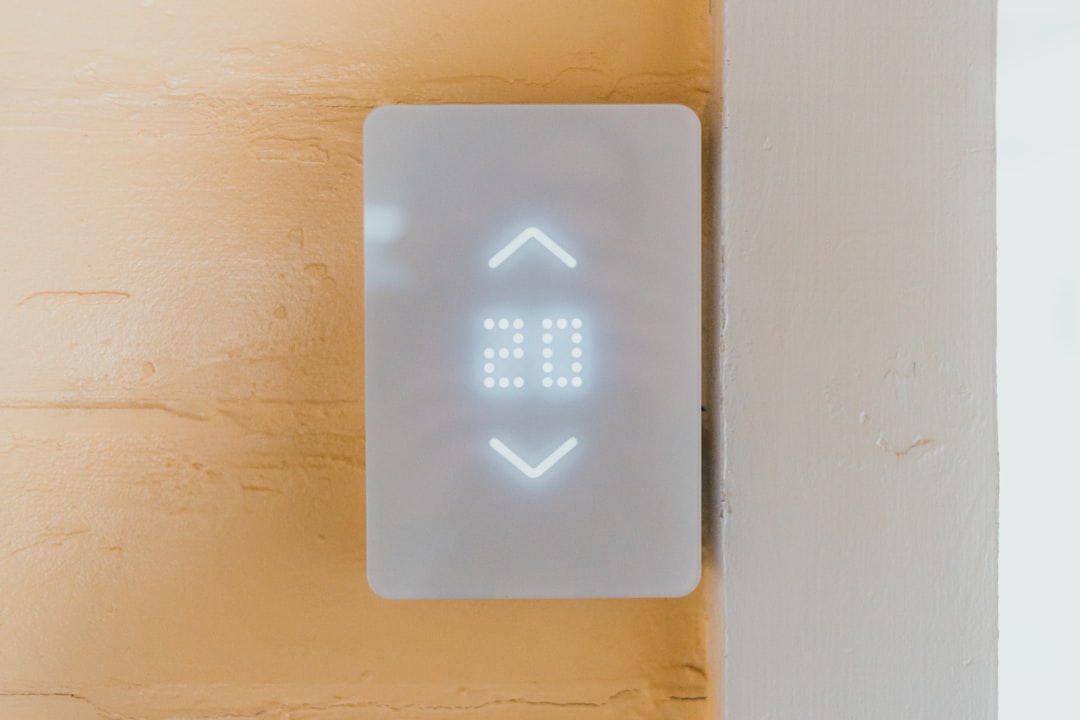
A close-up of a person's hand interacting with a sleek, futuristic smart home control panel on a wall, representing AI's role in modernizing homes.

AI: Your Agent’s New Super-Powered Assistant

Now for the other big headline-grabber: Artificial Intelligence. Let’s be clear—a robot is not going to show up with a lockbox key to let you into a property. At least, not yet. For now, think of AI as the world’s most efficient, data-crunching assistant that empowers your human agent to be more effective.

AI is the engine that handles the grunt work, freeing up your agent to focus on the strategy, relationships, and problem-solving that truly matter.

Practical Examples:

  • For Buyers: You can move beyond simple filters like “3 beds, 2 baths.” You can tell your agent you want “a mid-century modern with a large, fenced-in yard for a dog, on a quiet street with lots of morning sun for my houseplants, and within a 15-minute walk to a coffee shop.” AI can scan thousands of listings, property images, and neighborhood data in seconds to find your perfect match.
  • For Sellers: This is where it gets really powerful. AI can analyze decades of market data, recent sales, and even economic indicators to pinpoint the optimal listing price with a precision humans can’t match. It can generate compelling property descriptions, virtually stage photos, and even identify the demographics of the most likely buyers, allowing for hyper-targeted marketing campaigns that get your home seen by the right people, fast.

The New Agent Value Proposition: What Are You Really Paying For in 2026?

So, if AI is handling the data and commissions are unbundled, what’s left for the agent to do? Everything that actually requires a human brain, a steady hand, and a little bit of heart.

From Information Gatekeeper to Strategic Advisor

The Old Way: For decades, real estate agents held the keys to the kingdom—the MLS. Their primary value was simply access to the list of homes for sale. If you wanted to see what was on the market, you had to go through them.

The New Way (2026): Today, that information is free and accessible to anyone with an internet connection. The modern agent’s value isn’t in showing you a list of houses; it’s in their wisdom. They are your project manager, your market analyst, your chief negotiator, and your therapist-in-chief. They interpret the mountains of data that AI provides and guide you through one of the most complex, emotional, and financially significant decisions of your life.

A realtor and a client sit across from each other at a minimalist table in a bright office, discussing documents in a clear and collaborative manner, illustrating transparent new commission models.

The Rise of “À La Carte” Real Estate: Pay for What You Need

This shift directly addresses the fear of overpaying. The one-size-fits-all commission never made sense for every situation, and now you have options. This new flexibility ensures you’re only paying for the value you actually receive.

Here are a few models you’ll see becoming more common:

Service Model How It Works Best For…
Fee-for-Service You pay an agent an hourly rate for specific, defined tasks. A confident buyer who just needs an expert to review a contract or help structure a winning offer.
Flat-Fee Listing You pay a single, set price to have an agent list your home on the MLS, handle marketing, and manage showings. A savvy, hands-on seller who is comfortable negotiating but wants professional marketing and exposure.
Tiered Service Packages You choose from a menu of packages (e.g., Basic, Premium, Full-Service) that bundle different levels of support. Anyone! This model offers the most flexibility to match your needs and budget, from basic support to a full white-glove experience.

The Irreplaceable Human Skills AI Can’t Touch

For all its power, an algorithm can’t look another person in the eye and build the trust needed to close a tough deal. It can’t walk into a home and notice the subtle signs of a foundation issue or feel the “vibe” of a neighborhood.

The true value of an agent in 2026 lies in the skills that are uniquely human:

  • Empathy and Emotional Intelligence: Buying or selling a home is stressful. A great agent is a calming force who can manage anxieties (yours and the other party’s) and keep the deal on track when emotions run high.
  • Complex Problem-Solving: What happens when the inspection uncovers a major issue, or the appraisal comes in low? An experienced agent has seen it all and can creatively navigate these roadblocks to save a deal that would otherwise collapse.
  • Hyper-Local Expertise: An AI can tell you school ratings, but it can’t tell you that the local bakery has the best croissants, the park on Elm Street has the best playground, or that a new development is planned that will impact property values in two years. This deep-seated community knowledge is invaluable.
  • Masterful Negotiation: This is more art than science. It’s about reading the other party, understanding their motivations, and knowing precisely when to push and when to hold back to secure the best possible terms for you.

How This New Era Puts You in the Driver’s Seat (No Matter Your Budget)

The best part of this evolution is that it democratizes real estate expertise. High-quality guidance is no longer reserved for multi-million dollar transactions.

Power to the People with Smaller Budgets

The new à la carte and fee-for-service models are a game-changer. A first-time homebuyer on a tight budget, who previously might have felt priced out of professional help, can now afford to hire an agent for a few crucial hours. They can get expert help writing a competitive offer, navigating the complex closing paperwork, and avoiding common pitfalls, all without committing to a massive commission. This dismantles the old idea that quality service is only for the wealthy.

The clean, geometric exterior of a modern architectural home under a clear blue sky, representing the future of real estate and the ultimate value an evolved agent provides in 2026.

Maximum Flexibility for the Seasoned Homeowner

On the other end of the spectrum, an experienced seller who has been through the process before can now opt for a lean, tech-forward service package. They can leverage an agent’s powerful AI-driven marketing and data analysis to get top dollar for their home while saving thousands on commission. It’s about efficiency and paying for precisely the expertise you require, a principle that can lead to significant savings, especially when exploring options like a 1% commission structure.

Beyond the Transaction: Applying the “Value-First” Mindset to Your Home

This shift in the real estate world—towards transparency, choice, and personalized value—is about more than just buying and selling a property. It’s a mindset that should carry through your entire home journey.

Your Home Journey Doesn’t End at Closing

Getting the keys is a milestone, not the finish line. The next, and arguably most exciting, chapter is turning that house into a home that reflects who you are. The same principles of smart, value-driven decision-making should apply to how you design and furnish your new space. You shouldn’t have to accept a one-size-fits-all solution or feel like great design is out of reach.

The Davenport Philosophy: Celebrating Your Vision, Respecting Your Budget

Just as the real estate industry is moving to a model where you only pay for the value you need, we at Davenport Home Furnishings have always believed in that philosophy for home design. It’s the core of who we are.

We are dedicated to giving you the best experience, irrespective of the budget. We believe great design isn’t about unlimited funds; it’s about smart, creative solutions that bring your vision to life. We get just as excited about a clever, budget-conscious living room refresh as we do a full-scale, high-end transformation. Our goal is simple: to help you create a space you absolutely love, in a way that feels good to you.

Your Next Chapter Starts Now

As you navigate the new world of real estate, remember to seek out partners—realtors, lenders, and designers—who prioritize your unique needs and put you in control. When you’re ready to turn that newly purchased property into a truly personalized home, we’re here to help continue that journey with you.

Explore our design services to see how we bring beautiful, budget-conscious design to life, or get inspired by our portfolio of projects—big and small. Your dream home is waiting, and it’s more accessible than ever before.

Frequently Asked Questions

Are AI and new commission models making real estate agents obsolete?
No, according to the article, these changes are not eliminating agents. Instead, they are forcing agents to evolve and improve, shifting their role from information gatekeepers to hyper-specialized, transparent, and strategic advisors.
How is the role of a real estate agent expected to change by 2026?
The agent of 2026 will no longer be a mere gatekeeper of information. Their value will come from being a highly specialized and strategic advisor who provides transparent guidance and expertise throughout the buying or selling process.
What is the main benefit for home buyers and sellers in this new real estate era?
The primary benefit for clients is gaining more power, transparency, and choice. These industry shifts are designed to empower clients by providing clearer value and more control over the real estate transaction.
Will technology like AI make the real estate process more impersonal?
The article addresses this common fear by framing the changes as an evolution toward better service, not an impersonal, automated loop. The focus is on enhancing the agent’s role as a strategic advisor, which suggests the human element of guidance remains crucial.

Appraiser’s Analysis: How Weathered Siding and Roof Streaks Impact Your Louisiana Home’s Value

Detailed close-up shot of an asphalt shingle roof showing unsightly black streaks caused by Gloeocapsa magma algae, indica...

Appraiser’s Analysis: How Weathered Siding and Roof Streaks Impact Your Louisiana Home’s Value

Here in Louisiana, we’re blessed with a climate that gives us lush greenery, legendary cooking, and an excuse to say “it’s not the heat, it’s the humidity” for about nine months of the year. But that potent cocktail of intense sun, sauna-like humidity, and torrential downpours that grows our beautiful magnolia trees is also waging a relentless war on our homes’ exteriors. The first casualties? Your roof and siding.

A detailed close-up shot of an asphalt shingle roof showing unsightly black streaks caused by Gloeocapsa magma algae, indicating potential damage and deferred maintenance.

You’ve seen it a thousand times: the ominous black streaks creeping down an asphalt roof, or the sad, chalky fade of once-vibrant vinyl siding. It’s easy to dismiss these as simple facts of life in the Deep South. But as you watch your home’s curb appeal slowly wash away, a nagging question bubbles up: “Is this just a cosmetic problem, or is it actually hurting my home’s value?”

The short answer is yes. Those seemingly minor blemishes are red flags to a home appraiser, signaling potential problems that can chip away at your property’s worth. But here’s the good news: this article provides a professional appraiser’s analysis of how these specific issues impact your Louisiana home’s value and offers practical solutions for every budget. Because whether you’re working with a shoestring or ready for a full-scale renovation, we believe everyone deserves to maximize their home’s potential.

Key Takeaways

  • It’s Not Just Dirt: The black streaks on your roof are a living algae (Gloeocapsa magma) that eats the limestone filler in your shingles, shortening your roof’s lifespan and signaling “deferred maintenance” to appraisers.
  • Effective Age vs. Actual Age: Weathered, faded, or damaged siding makes your home look older than it is. Appraisers call this increasing the “effective age,” which directly lowers its valuation.
  • Curb Appeal is Equity: An appraiser’s first impression is formed from the street. A neglected exterior immediately lowers the home’s “condition” rating, which can translate into a valuation thousands of dollars lower than a well-maintained home next door.
  • Solutions Exist for Every Budget: You don’t need a full replacement to see a return. High-ROI fixes range from a professional soft wash (low-cost) to a fresh coat of paint (mid-range), each significantly boosting perceived value.

The Appraiser’s Gaze: How Roof Streaks Lower Your Home’s Perceived Value

When an appraiser pulls up to your home, they’ve already started their evaluation. Before they even step inside, they’re scanning the exterior, and one of the first things they’ll notice is the condition of your roof. Those dark stains aren’t just an eyesore; they’re a story, and it’s not one you want them to read.

What Are Those Black Streaks on Your Roof, Anyway?

Meet Gloeocapsa magma, the uninvited, shingle-staining guest that’s throwing a party on your roof. This airborne algae thrives in Louisiana’s humid, sticky climate. It lands on your roof and begins to feast on the limestone filler used in asphalt shingles. As it grows, it develops a dark, hardened outer layer to protect itself from the sun’s UV rays—creating the black streaks you see.

At first, it’s a cosmetic issue. But left unchecked, it becomes a much bigger problem. The algae holds moisture against the shingle surface, which can accelerate granule loss. Those tiny granules are the primary line of defense protecting the asphalt from the sun. Once they’re gone, the shingle becomes brittle, cracks, and the roof’s lifespan is significantly shortened. This is a critical point to understand when considering how to protect your Louisiana roof from the Gulf South weather.

A close-up view of weathered and faded vinyl siding on a house, with visible green mildew stains, illustrating the negative impact of humidity and neglect on a home's exterior.

The Official Impact: From “Deferred Maintenance” to a Lower Value

An appraiser won’t write “dirty roof” in their report. They’ll use a much more damaging term: “deferred maintenance.” This is appraisal-speak for “the owner has neglected to perform necessary upkeep.” It’s the equivalent of a teacher writing “Does not work well with others” on a report card—it immediately raises questions about what else might be wrong with the house.

This has two major impacts:

  1. Psychological Impact: For both appraisers and potential buyers, a stained roof suggests neglect. If the most visible, protective element of the home hasn’t been cared for, what’s lurking in the attic, behind the walls, or in the foundation? It erodes confidence and can lead to lower offers.
  2. Financial Impact: An appraiser will directly lower the home’s overall “condition” rating (for example, from a C3 to a C4 on a standard Uniform Residential Appraisal Report). This adjustment isn’t just a slap on the wrist; it directly reduces the final appraised value. The appraiser is factoring in the future cost the new owner will have to bear to either clean or, in a worst-case scenario, replace the roof sooner than expected. This can easily translate to a valuation that is thousands of dollars lower.

An Analysis of Weathered Siding: More Than Skin Deep

If the roof is the hat of your home, the siding is its suit. And just like a frayed, stained suit, weathered siding gives off an impression of being worn out and past its prime, no matter how great the structure is underneath.

Common Siding Problems in the Louisiana Climate

Our climate is an equal-opportunity offender when it comes to siding. Each material faces its own unique set of challenges:

  • Vinyl: The intense UV radiation bakes the color right out of it, leading to significant fading. It also develops a chalky, oxidized residue that rubs off on your clothes. In shady, damp areas, it’s a magnet for green mildew.
  • Wood (Cypress/Pine): A classic Louisiana look, but it requires constant vigilance. The humidity causes paint to peel and chip, exposing the wood to moisture. This can quickly lead to rot, warping, and an open invitation for termites.
  • Fiber Cement (Hardie): This durable material holds up well, but it’s not invincible. It can accumulate dirt and mildew, and if the protective paint layer is chipped or worn away, the underlying material can absorb moisture.

How an Appraiser Factors in Siding Condition

An appraiser doesn’t just see faded vinyl; they see a home that looks old and tired. This is where the concept of “effective age” comes into play. A 15-year-old house with pristine, freshly painted siding might have an effective age of just 5-7 years. Conversely, that same 15-year-old house with chalky, mildew-stained siding could be assigned an effective age of 20-25 years. A higher effective age means a lower value.

A professional home appraiser with a clipboard, standing outside a house and carefully examining the condition of the roof and siding to assess the property's value.

The appraiser’s process is a form of triage:

  • Major Issues: They are actively looking for signs of water intrusion, rot, or structural failure. Gaps, cracks, or soft spots are giant red flags that will trigger a significant value deduction and may even require a contractor’s inspection.
  • Minor Issues: Dirt, mildew, and fading fall into this category. While not structural threats, they still contribute to that higher effective age and signal deferred maintenance.

The bottom line is simple: a buyer looking at your home will mentally calculate the cost to fix the siding. An appraiser does the same, but they make it official by subtracting that perceived cost from the home’s potential value.

Boosting Your Value: A Solution for Every Louisiana Homeowner’s Budget

Here’s where you take back control. Fixing your home’s exterior doesn’t have to mean taking out a second mortgage. At Davenport Home Furnishings, we celebrate smart home improvements at every level, because enhancing your home’s value should be accessible to everyone.

Solution Tier Typical Cost Range Potential Return on Investment (ROI) Appraiser’s View
Low-Cost (DIY & Smart Spending) $300 – $800 Very High “Evidence of pride of ownership and proper maintenance.”
Mid-Range Investment $2,500 – $7,000 High “Home is updated, protected, and move-in ready.”
The Full Refresh $8,000 – $20,000+ Varies (often 60-85%) “Resets the effective age of the exterior; a major asset.”

Note: Costs are estimates for an average-sized home in Louisiana. ROI data is generalized from industry reports like Remodeling Magazine’s Cost vs. Value analysis.

High-Impact, Low-Cost Solutions (The DIY & Smart Spending Tier)

This is about getting the most bang for your buck. You’d be shocked at what a weekend and a little elbow grease can accomplish.

A classic Louisiana-style home with a porch on a hot, humid day, visually representing the challenging climate that contributes to siding and roof deterioration.

  • Roof Cleaning: Do not let anyone with a high-pressure washer near your asphalt shingles. A professional soft wash, which uses low pressure and specialized, algae-killing detergents, can safely remove those black streaks. The before-and-after is one of the most dramatic and highest-ROI cosmetic fixes you can perform.
  • Siding Power Wash: A thorough cleaning can blast away years of accumulated grime, pollen, and mildew, instantly making your home look brighter and newer. For a few hundred dollars, you can dramatically boost your curb appeal.
  • Small Repairs: Walk around your house and play detective. Re-caulking around windows and doors, touching up chipped paint, or replacing a single cracked piece of siding are small tasks that make a huge collective impact.

The Mid-Range Investment for a Major Return

When a simple cleaning isn’t enough, stepping up your investment can pay huge dividends in an appraisal.

  • Professional Exterior Painting: This is one of the most transformative projects you can undertake. A fresh coat of quality paint does more than just cover up weathered siding—it adds a crucial layer of protection against moisture and UV rays. Appraisers and buyers see a freshly painted home as well-cared-for and move-in ready.
  • Gutter and Fascia Repair/Replacement: Clogged, bent, or stained gutters make a house look sloppy. Clean, functional gutters and freshly painted fascia boards frame the roof and siding, creating a crisp, finished look that signals the entire home system is working as it should.

The Full Refresh: When Replacement Adds the Most Value

Sometimes, a component is simply at the end of its functional life. When cleaning and repairs are just putting a bandage on a bigger problem, a full replacement becomes a powerful investment.

  • New Siding or a New Roof: This is the ultimate reset button for your home’s exterior. It completely eliminates all the problems of the old material and resets the “effective age” of that component to zero. According to the 2023 Cost vs. Value Report, a roof replacement can recoup over 60% of its cost at resale, while new siding can recoup even more. In a competitive market, a brand-new roof or siding can be the single biggest selling point that allows you to command a premium price.

Take Control of Your Home’s Value, Starting Today

Those streaks on your roof and that faded siding aren’t just cosmetic quirks of living in Louisiana—they are tangible, financial liabilities that an appraiser will note and use to determine your home’s ultimate value. They tell a story of neglect that can scare off buyers and lower your equity.

But the great news is that you’re in the driver’s seat. You have the power to rewrite that story. Whether it’s a weekend power-washing project, a transformative coat of paint, or a full exterior renovation, every step you take improves your home’s value, protects your investment, and boosts your pride of ownership. We believe great home experiences are for everyone, irrespective of the budget.

Ready to boost your home’s curb appeal and maximize its value? While you’re tackling the exterior, let’s talk about how the right interior touches can complete the picture. Contact Davenport Home Furnishings for a consultation that respects your budget and celebrates your home’s potential. To see the full scope of what we offer and explore our extensive resources, you can browse our complete library of posts and services.

Frequently Asked Questions

What are the black streaks on my roof?
Those black streaks are not just dirt; they are a living algae called Gloeocapsa magma. This algae thrives in Louisiana’s humid climate and feeds on the materials in asphalt shingles.
Do weathered siding and roof streaks actually lower my home’s value?
Yes. According to an appraiser’s analysis, these seemingly cosmetic issues are seen as red flags for deferred maintenance. They negatively impact curb appeal and can directly reduce your property’s appraised value.
Why is Louisiana’s climate particularly harsh on home exteriors?
The combination of intense sun, high humidity, and frequent torrential downpours in Louisiana creates an ideal environment for algae growth on roofs and accelerates the fading and deterioration of siding.
Are these issues just cosmetic or do they signal bigger problems?
They are more than just cosmetic. To a home appraiser, these blemishes signal potential underlying problems and a lack of maintenance, which can chip away at a property’s overall worth and condition rating.

Spotting the ‘Storm Chasers’: Vetting and Choosing a Reputable Local Repair Contractor

Residential roof showing clear damage with missing shingles, illustrating the urgent need for repair after a severe weathe...

Spotting the ‘Storm Chasers’: Vetting and Choosing a Reputable Local Repair Contractor

The storm has passed, but the stress is just beginning. A chorus of dripping from the ceiling, a new skylight where a tree branch used to be, or a fence that’s now doing a sad impression of a limbo stick—these issues create an urgent need for repair. This urgency, unfortunately, rings a dinner bell for a specific type of predator: the opportunistic “storm chaser.”

A residential roof showing clear damage with missing shingles, illustrating the urgent need for repair after a severe weather event.

So, what exactly are “storm chasers”? They are predatory, often out-of-state contractors who descend on disaster-stricken neighborhoods like a second wave. They exploit homeowners’ vulnerability with high-pressure sales tactics, promises that are too good to be true, and work that is often shoddy, incomplete, or non-existent. They are masters of disguise, but their camouflage isn’t perfect.

This guide will serve as your shield. We’ll walk you through the essential steps of vetting and choosing a reputable local repair contractor. We’re here to empower you to make a confident decision, protect your investment, and find a true partner for your home—because whether you’re patching a small leak or rebuilding a whole wing, you deserve the best experience.

Key Takeaways

  • Trust Your Gut: Unsolicited door-knockers, high-pressure sales tactics, and demands for large cash down payments are massive red flags that scream “scam.” A professional contractor respects your time and decision-making process.
  • Local is Loyal: Prioritize contractors with a physical local address, local license plates, and a long list of local references. A contractor who is part of your community is accountable to it.
  • Documentation is Your Defense: Always demand a detailed, itemized written estimate and never sign a blank contract. Ensure you see proof of both general liability insurance and worker’s compensation before any work begins.
  • A True Partner Works With You: A reputable contractor doesn’t just give you a price; they provide solutions. They should be willing to discuss different material options and phased approaches to help you meet your budget without sacrificing quality.

The Red Flags: How to Instantly Spot a Potential ‘Storm Chaser’

Think of this as your field guide to identifying the species Contractus Nefarious. They often travel in packs and are easily startled by words like “license,” “insurance,” and “references.” Here are the tell-tale signs.

They Knock on Your Door Unsolicited

Let’s be honest: the best contractors are busy. They’re booked because their reputation precedes them. They don’t need to pound the pavement looking for work. If someone shows up on your doorstep claiming they “just happened to be in the neighborhood” and noticed your damaged roof, your skepticism should be at an all-time high. This is the classic opening move of a storm chaser. They are banking on your anxiety and the convenience of their sudden appearance to get a foot in the door—and a hand in your wallet.

They Use High-Pressure Tactics

A storm chaser’s greatest weapon is manufactured urgency. They want you to sign on the dotted line before you have a chance to think, research, or get a second opinion. Be on high alert for phrases designed to short-circuit your logic:

  • “This special price on materials is only good for today!”
  • “We have a crew that just finished a job nearby, so we can start right now if you commit.”
  • “We need a decision immediately to get you on the schedule.”
  • “We’ll handle everything with your insurance company, just sign here.”

A true professional will provide a detailed quote that is valid for a reasonable period (often 30 days) and will encourage you to review it carefully. They understand that this is a significant investment, not an impulse buy. Speaking of insurance, while a good contractor can provide documentation for your claim, be wary of anyone who promises to “handle” it all for you. This can sometimes be a tactic to inflate costs, as explained in this expert guide to storm insurance claims.

They Demand a Large Down Payment in Cash

This is perhaps the brightest, most blaring red flag of them all. While it’s standard practice for a contractor to require a deposit to cover initial material costs, the amount and payment method are critical. According to the Federal Trade Commission (FTC), you should never pay in cash. Use a check or credit card, which creates a financial record.

A homeowner at their front door listens cautiously to a contractor holding a clipboard, representing the critical moment of vetting a potential hire.

Furthermore, the down payment should be reasonable. A typical deposit is 10-30% of the total project cost. If a contractor demands 50% or more upfront, especially in cash, they might be planning a permanent vacation with your money.

Payment Red Flags Standard Professional Practice
Demands 50% or more upfront Asks for a reasonable deposit (10-30%)
Insists on cash payment only Accepts check or credit card
Vague payment schedule Provides a clear, written payment schedule tied to project milestones

They Lack a Local Presence

Check the license plate on their truck. If it’s from three states away, you have a problem. A storm chaser has no ties to your community, which means they have no accountability. Once they’re paid, they’re gone, leaving you with no recourse when their shoddy work inevitably fails.

Ask for a physical business address—not a P.O. Box—and a local phone number. Look them up online. Do they have a professional website and a history of work in your area? Choosing a local contractor means they have a reputation to uphold. Their kids might go to the same school as yours. You might see them at the grocery store. That community connection is a powerful incentive for them to do quality work.

They Are Vague About Credentials

When you ask a professional for their license number and proof of insurance, they’ll provide it without hesitation. A storm chaser will dodge, deflect, or make excuses.

  • License: Ask for their state or local contractor license number and verify it on your state’s official licensing board website. An unlicensed contractor is not only breaking the law but also leaving you with zero protection.
  • Insurance: They must have two types of insurance. General Liability covers damage to your property, and Worker’s Compensation covers injuries to their crew. Without it, if a worker falls off your roof, you could be held liable for their medical bills.

The Green Flags: Hallmarks of a Reputable and Trustworthy Contractor

Now that you know what to avoid, let’s focus on what to look for. These are the signs of a true professional who will be a partner in restoring your home.

They Provide a Detailed, Written Estimate

A professional bid is more than just a number on a napkin. It’s a clear, itemized document that demonstrates transparency and sets expectations. It should include:

  • A detailed scope of work (e.g., “Remove existing asphalt shingles, inspect and replace up to 3 sheets of damaged plywood decking, install new synthetic underlayment…”).
  • A breakdown of material costs, including specific brands and models.
  • A breakdown of labor charges.
  • A projected timeline with start and completion dates.
  • A clear payment schedule.

This document becomes the foundation of your contract and protects both you and the contractor.

A homeowner sits at a bright, modern kitchen table, diligently researching contractors online to make an informed and confident choice.

They Have Proper Licensing and Insurance

As mentioned, a reputable contractor will be proud to show you their credentials. They understand that being properly licensed and insured is a mark of professionalism that protects everyone involved. Don’t just take their word for it—ask for the policy numbers and call the insurance provider to confirm that the policies are active.

They Have a Strong Local Reputation and References

A contractor’s best advertisement is a long list of happy customers. A reputable contractor will gladly provide you with a list of recent, local clients you can contact. Don’t be shy—call them! Ask about the quality of the work, whether the project stayed on budget and on time, and how the crew behaved on their property.

Beyond references, check their online footprint. Look for reviews on Google, Yelp, and the Better Business Bureau (BBB). While a single bad review isn’t a deal-breaker, a consistent pattern of negative feedback is a clear warning.

They Are Willing to Work With Your Budget

This is where a true partner separates themselves from a mere tradesperson. A storm chaser sees a price tag. A professional sees a project and a client. A great contractor understands that budgets are a reality. Instead of presenting a single, take-it-or-leave-it price, they will listen to your financial concerns and work with you to find solutions.

They might suggest:

  • Alternative Materials: “We can use these architectural shingles which offer a great warranty and look, but cost about 15% less than the premium designer line.”
  • Phased Work: “Let’s focus on securing the roof now to prevent further damage, and we can address the cosmetic siding repairs in a few months when it’s more financially comfortable for you.”

They value your project and the opportunity to build a relationship, not just the number on the invoice.

Your Vetting Checklist: A Step-by-Step Guide to Making the Right Choice

Feeling overwhelmed? Don’t be. Follow this simple, methodical process to cut through the noise and find the right pro for the job.

A trustworthy, professional roofer skillfully installs new shingles on a house under a clear blue sky, symbolizing a successful and reliable repair.

Step 1: Gather Recommendations

Before you even open a web browser, start local. Ask trusted neighbors, friends, or family for recommendations. Your local hardware or building supply store is another fantastic resource; they know which contractors are busy, pay their bills on time, and buy quality materials. Avoid picking a name off a yard sign that magically appeared the day after the storm.

Step 2: Conduct an Online Background Check

Once you have a few names, it’s time to do some digital digging.

  • Check their status and complaint history on the Better Business Bureau (BBB).
  • Read Google Reviews, paying attention to how the company responds to both positive and negative feedback.
  • Visit your state’s contractor licensing board website to verify their license is active and in good standing.
  • Explore their company website and social media to get a feel for their work and professionalism. You can often find a portfolio of their projects on their site, much like you can browse our entire catalog via our post sitemap or page sitemap.

Step 3: Get at Least Three Itemized Bids

This is the most crucial step in the vetting process. Getting multiple bids isn’t about finding the cheapest option—it’s about establishing a baseline for fair market value. A suspiciously low bid can be as dangerous as an inflated one, often indicating subpar materials, uninsured labor, or a desperate contractor who will cut corners.

Bid Comparison Contractor A (Too Low) Contractor B (Just Right) Contractor C (Too High)
Total Price $7,500 $11,200 $15,500
Materials “Shingles, felt” “GAF Timberline HDZ Arch. Shingles, Tiger Paw Underlayment” “Premium Roofing Materials”
Labor Lump Sum: $3,000 Itemized: Removal, Installation, Cleanup Lump Sum: $7,000
Warranty “1-year” “25-year manufacturer warranty, 10-year labor warranty” “Lifetime warranty” (Vague)

As you can see, Contractor B provides the transparency and detail you need to make an informed decision.

Step 4: Ask the Right Questions

When you meet with potential contractors, treat it like an interview. You are the hiring manager. Have a list of questions ready:

  • Who will be the project manager and my main point of contact?
  • Do you use subcontractors, and if so, are they also licensed and insured?
  • What is the projected timeline, and how do you handle delays?
  • What warranties do you offer on your materials and your labor?
  • How will you protect my landscaping, driveway, and other property during the repair?
  • How do you handle cleanup during and after the project?

Step 5: Read the Contract Carefully Before Signing

The contract is your final and most important piece of protection. It should codify everything you’ve discussed. Ensure it includes the detailed, itemized scope of work from the estimate, the exact materials to be used, the payment schedule, start and completion dates, and the total cost. Never, ever sign a blank or incomplete contract. The fine print is where the devil, and the disappearing contractor, hides.

Your Home Deserves a Partner, Not a Predator

In the rush to repair damage after a storm, it’s easy to make a hasty decision. But a little patience and due diligence will protect you from the financial and emotional disaster of hiring the wrong person. Spotting the red flags of a storm chaser and actively looking for the green flags of a true professional are your best defense. The goal isn’t just to fix the damage; it’s to find a reliable partner who respects you, your budget, and your home.

At Davenport Home Furnishings, we believe that great service and a commitment to quality shouldn’t depend on the size of your wallet. A truly reputable local repair contractor shares this philosophy. They understand that whether it’s a small repair or a full-scale renovation, every project is a priority because it’s your home. By choosing a contractor dedicated to giving you the best experience, you’re not just rebuilding—you’re building a relationship based on trust.

Frequently Asked Questions

What is a ‘storm chaser’ contractor?
A ‘storm chaser’ is a predatory contractor, often from out-of-state, who targets disaster-stricken neighborhoods. They exploit homeowners’ vulnerability with high-pressure sales tactics and often perform shoddy, incomplete, or non-existent work before leaving town.
What are the most common red flags of a storm chaser?
The biggest red flags include unsolicited door-knocking, using high-pressure sales tactics to rush your decision, and demanding large cash down payments. A professional contractor will respect your time and process.
Why is it generally better to hire a local repair contractor?
Local contractors have an established reputation within the community and are more accountable for their work. Unlike transient storm chasers, a local business has a vested interest in ensuring customer satisfaction to maintain their local reputation.
My home was just damaged in a storm. What should I be immediately cautious of?
Be immediately cautious of contractors who show up at your door uninvited. The urgency to make repairs makes homeowners a target for opportunistic scammers, so it’s critical to avoid making rushed decisions with anyone who uses high-pressure tactics.

No More Guessing Games: How 2025 Tech Appraisals See Your Home’s True Value (For Every Budget!)

An illustration of artificial intelligence analyzing home data for a valuation.

No More Guessing Games: How 2025 Tech Appraisals See Your Home’s True Value (For Every Budget!)

Introduction: Tired of Playing “Pin the Value on the Property”?

Let’s face it: the traditional home appraisal process can feel a bit like a blindfolded dart game. You’re hoping for the best, crossing your fingers, and maybe even whispering sweet nothings to your property, all while the anxiety of not knowing your home’s true value is very, very real. It’s less “expert assessment” and more “guess-timation with a clipboard.”

Further reading: https://deanknows.com/seo/how-technology-is-transforming-property-appraisals-in-2025/

But what if we told you the “guessing games” are officially over? Welcome to 2025, where cutting-edge technology isn’t just for sci-fi movies anymore; it’s revolutionizing how we assess property, bringing clarity and confidence to every homeowner.

And here’s the best part, straight from us at davenporthomefurnishings.com: this isn’t just for the high-rollers with sprawling estates. We’re dedicated to giving you the best experience, irrespective of the budget, and that absolutely includes understanding your home’s worth, whether it’s a cozy studio or a grand mansion!

The Old Crystal Ball vs. The New Digital Lens: Why Appraisals Needed an Upgrade

The Frustration of “Fingers Crossed” Valuations

Ah, the good old days (or perhaps, the slightly frustrating old days) of traditional appraisals. They often relied heavily on human judgment, which, while valuable, could sometimes feel as consistent as a toddler’s mood swings. This led to inconsistencies and subjective interpretations of your home’s unique charm. Ever felt like your recent, thoughtful upgrades – that stunning new kitchen backsplash, the energy-efficient windows, or even that perfectly curated reading nook – weren’t fully appreciated? Old methods sometimes missed the nuances, the “soul” of your home, that truly boost its value. It was like trying to judge a gourmet meal by just looking at the ingredients list.

Enter 2025: A Smarter Way to See Your Home’s True Value

Fast forward to 2025, and prepare for a paradigm shift. The future of property assessment is less about opinion and more about data, bringing unprecedented precision to your home’s valuation. Think of it as upgrading from a blurry flip phone camera to a high-definition, AI-powered drone. Get ready for a world where your home’s true value is seen with crystal clarity, making “no more guessing games” a reality for every homeowner. It’s time to trade in that dusty crystal ball for a sleek, digital lens.

Unpacking the Tech Toolbox: What Powers 2025 Appraisals?

AI & Machine Learning: The Brains Behind the Brawn

Imagine having a super-smart economist, a neighborhood historian, and a trend forecaster all rolled into one, tirelessly working to evaluate your home. That’s essentially what AI (Artificial Intelligence) and Machine Learning (ML) bring to the table. These intelligent systems analyze vast datasets, from hyper-local market trends to neighborhood amenities, for predictive accuracy in property assessment. They can spot patterns and value drivers – like the sudden popularity of pickleball courts nearby or the rising demand for homes with dedicated office spaces – that human eyes might miss, leading to a more accurate and comprehensive home valuation. It’s like having a real estate oracle, but with actual data, not just vague prophecies.

A sleek, modern home with digital data overlays or screens showing property information.

Virtual & Augmented Reality: Stepping Inside the Data

Ever wished an appraiser could truly experience your home without actually being there? Wish granted! Immersive VR home tours allow appraisers (or even potential buyers!) to virtually “walk through” your property from anywhere in the world, noting every detail, from the intricate crown molding to the sun-drenched breakfast nook. And with AR (Augmented Reality) overlays, they can visualize potential renovations or highlight existing smart home features, instantly showing their impact on your home’s true value. Think of it as X-ray vision for your property, revealing its full potential and current assets.

Smart Home Data & IoT Integration: Your Home’s Digital Fingerprint

Your home isn’t just bricks and mortar anymore; it’s a living, breathing, data-generating entity. 2025 tech appraisals leverage data from smart thermostats, security systems, energy-efficient appliances, and even smart lighting to provide a comprehensive picture of your home’s modern appeal. This IoT (Internet of Things) integration helps appraisers understand how connected devices contribute to a property’s overall desirability, energy efficiency, and security, all of which can positively influence tech appraisals. It’s like your home is giving a detailed, digital resume of all its best features!

Beyond the Hype: Real Benefits for Your Home’s True Value

Precision You Can Trust: Saying Goodbye to Guesswork

The biggest takeaway? You’ll experience a significantly more accurate home valuation. This precision reduces discrepancies, making buying or selling decisions clearer and more confident. No more second-guessing if you got a fair deal or if you’re asking too much. Plus, you’ll enjoy faster, more efficient appraisal processes, streamlining transactions and saving you precious time and stress. It’s like upgrading from a slow, clunky dial-up connection to lightning-fast fiber optics for your home’s worth.

Uncovering Hidden Gems & Future Potential

Tech appraisals can identify overlooked features or recent improvements that genuinely boost your home’s true value, ensuring you get credit where credit’s due. That custom-built shelving unit in the living room? The upgraded insulation you installed last year? The tech will see it! Furthermore, you’ll gain data-backed insights into the potential ROI (Return on Investment) of future renovations, helping you make smart investment decisions for your property. It’s like having a crystal ball that actually works, showing you which improvements will truly pay off. Uncovering hidden gems just got a whole lot easier.

“For Every Budget!”: Making High-Tech Appraisals Accessible

Smart Solutions, Smart Savings

Now, you might be thinking, “High-tech appraisals? That sounds like something only a tech billionaire could afford!” But here’s the clever twist: while “tech appraisals” might sound expensive, the efficiency and accuracy they bring can actually lead to reduced costs and better outcomes in the long run. Less human error, faster processing, and more precise valuations mean fewer delays and more confident transactions. Expect tiered appraisal services to emerge, ensuring that cutting-edge valuation is available and tailored to fit every budget, not just the elite. It’s about smart solutions leading to smart savings.

Davenport’s Dedication: Value for All

At davenporthomefurnishings.com, we believe everyone deserves the best experience, and that absolutely includes understanding the full potential of their home, irrespective of the budget. Whether you’re planning a small refresh, a major renovation, or simply curious about your property’s current standing, knowing your home’s true value empowers you to make informed choices that truly pay off. We’re here to celebrate your home, no matter its size or your budget, and help you unlock its maximum value.

Abstract image representing home finances or budget, possibly with icons or graphs.

Getting Your Home “Appraisal-Ready” for the Future

Document, Document, Document!

Think of yourself as your home’s personal historian. Keep meticulous records of all smart home installations, energy-efficient upgrades, and significant renovations – these are gold for 2025 tech appraisals. Digital receipts, photos, and even short videos can be invaluable. Providing clear, organized data points will help ensure your property assessment is as comprehensive and accurate as possible. No more frantically searching for that receipt from three years ago; keep it organized from the start!

Embrace the Smart Home Revolution

You don’t need to turn your home into a futuristic spaceship overnight. Consider small, budget-friendly smart home additions (like smart lighting, a video doorbell, or a smart thermostat) that can positively impact your property assessment. These aren’t just conveniences; they signal a modern, well-maintained property to tech appraisals. Think about future-proofing your home; even minor tech integrations can signal a modern, well-maintained property for better valuations. It’s about embracing smart design and showing your home is ready for the future.

Conclusion: Your Home’s True Value, No Filters Needed

The era of “guessing games” in home valuation is officially over. With 2025 tech appraisals, you’re stepping into a future of clarity, precision, and confidence. No more blind darts, no more crossed fingers – just accurate, data-driven assessments that truly reflect your home’s worth.

Whether you’re a first-time homeowner planning your next decor project or a seasoned investor looking to optimize your portfolio, these advancements ensure your home’s true value is recognized, fairly and accurately, for every budget.

So, no more guessing games – just smart moves and even smarter homes, ready to shine in the digital age!

Your Home’s Worth: How Tech Is Redefining Property Appraisals by 2025 (No Crystal Ball Needed)

A tablet or computer screen displaying property appraisal data or a digital valuation report.

Your Home’s Worth: How Tech Is Redefining Property Appraisals by 2025 (No Crystal Ball Needed)

Introduction: Forget the Magic Eight-Ball – Your Home’s Value Just Got a Serious Upgrade

Ever wondered what your home is really worth, beyond a gut feeling or a quick glance at a neighbor’s sale? For decades, property appraisals felt a bit like a mysterious art, relying heavily on human judgment, a trusty clipboard, and maybe a well-placed “hmm” for dramatic effect. It was less science, more seasoned intuition.

Further reading: https://deanknows.com/seo/how-technology-is-transforming-property-appraisals-in-2025/

But hold onto your throw pillows! We’re hurtling towards 2025, and technology isn’t just changing how we binge-watch shows or order groceries; it’s fundamentally redefining property appraisals. This isn’t about gazing into a crystal ball; it’s about data, algorithms, and a whole lot of innovation that makes that old Magic Eight-Ball look like, well, an old Magic Eight-Ball.

At davenporthomefurnishings.com, we believe understanding your home’s worth is crucial, whether you’re planning a grand, high-budget renovation or a savvy, lower-budget refresh. We’re dedicated to giving you the best experience, irrespective of the budget, and that starts with clear, reliable information. Let’s dive into how tech is making that understanding clearer, faster, and more accurate than ever before. Explore our latest offerings!

The Old Guard vs. The New Wave: Why Appraisals Needed an Upgrade

The Traditional Tango: What We Used to Expect

Picture this: a lone appraiser, a tape measure that’s seen better days, a camera with a flash that always seems to hit at the wrong angle, and a lot of subjective analysis. While thorough in its day, this process could be time-consuming, a tad inconvenient, and, let’s be honest, occasionally prone to human bias. Was that slightly chipped countertop really going to knock thousands off the value, or was the appraiser just having a rough morning?

A screen showing various graphs, charts, and data related to real estate analytics.

Valuations often relied heavily on recent comparable sales, which, while helpful, might not fully capture unique property features (like your meticulously curated succulent garden) or rapidly changing market conditions. The “human element” was both a strength and a limitation, sometimes leading to inconsistencies in your home’s worth assessment. It was a bit like trying to predict the weather with a wet finger in the air – sometimes right, sometimes… well, you get the idea.

The Tech Tsunami: Why Change Was Inevitable

The real estate market moves at lightning speed. One minute avocado toast is a luxury, the next it’s a staple, and property values shift just as quickly. Traditional methods struggled to keep up with dynamic shifts in supply, demand, and property features. Homeowners, buyers, and sellers alike started demanding more transparency, speed, and accuracy in understanding property appraisals.

Enter tech: the game-changer promising to streamline, standardize, and supercharge the valuation process. It’s less a tsunami and more a perfectly orchestrated, data-driven wave that’s washing away the old ways and bringing in a refreshing new era of clarity.

Beyond the Tape Measure: Key Technologies Redefining Your Home’s Worth

AI & Machine Learning: The Brains Behind the Brawn

  • How it works: Artificial Intelligence (AI) and Machine Learning (ML) algorithms are basically super-smart data detectives. They analyze vast datasets – from property characteristics (number of bedrooms, square footage) to neighborhood amenities (proximity to that fantastic coffee shop), crime rates, school districts, and even traffic patterns – to predict your home’s worth with unprecedented precision. They learn from millions of past sales, identifying patterns no human could ever spot.
  • Impact on appraisals: These systems can identify subtle correlations and value drivers that human appraisers might miss, offering a more holistic and objective valuation. Think of it as having a thousand appraisers working simultaneously, but without the coffee breaks.
  • By 2025: Expect AI-powered Automated Valuation Models (AVMs) to become the industry standard for initial assessments, providing near-instantaneous estimates. They’ll be the first stop, giving you a solid baseline before you even think about calling a human.

Big Data & Predictive Analytics: More Than Just Numbers

  • How it works: This isn’t just about crunching numbers; it’s about making sense of all the numbers. Aggregating and analyzing massive amounts of data – including historical sales, current market trends, demographic shifts, local economic indicators, and even social media sentiment – allows predictive analytics to forecast future property values. It’s like having a crystal ball, but one powered by terabytes of verifiable information.
  • Impact on appraisals: Predictive analytics helps anticipate market shifts, giving a forward-looking perspective on property appraisals rather than just a rearview mirror view. It tells you not just what your home is worth today, but what it could be worth tomorrow.
  • By 2025: These tools will offer granular insights into specific micro-markets, helping homeowners understand not just current value but potential growth, making investment decisions much clearer.

Virtual & Augmented Reality: Stepping Inside the Future

  • How it works: VR allows appraisers (and potential buyers, for that matter) to conduct immersive virtual tours, examining every detail of a property remotely – from the crown molding to the condition of the kitchen cabinets. AR overlays digital information onto the real world, highlighting features, potential issues, or even showing how a room could look with new furnishings.
  • Impact on appraisals: Reduces the need for multiple physical visits, speeds up the process, and allows for more consistent evaluation of property condition and features, even for properties far afield. Imagine an appraiser “walking through” a home in another state without leaving their office!
  • By 2025: Virtual property assessments will be commonplace, making property appraisals more efficient and accessible for everyone, especially for initial screenings.

Drones & Geospatial Mapping: A Bird’s Eye View of Value

  • How it works: Drones are no longer just for hobbyists. They capture high-resolution aerial imagery and 3D models of properties, assessing roof condition, lot size, landscaping, and proximity to amenities like parks or major roads. Geospatial mapping integrates this data with other location-based information, creating a comprehensive digital twin of your property.
  • Impact on appraisals: Provides comprehensive external data, identifying features or defects (like a leaky roof or an overgrown yard) that might be missed from ground level, contributing to a more accurate assessment of your home’s worth. No more climbing ladders for questionable roof inspections!
  • By 2025: Drones will be a standard tool for external property inspections, enhancing the detail and accuracy of property appraisals and ensuring every angle is covered.

The Benefits (and a Few Quirks) of Tech-Driven Appraisals by 2025

Accuracy, Speed, and Transparency: The Triple Threat

  • Accuracy: Data-driven insights reduce human error and bias, leading to more precise valuations of your home’s worth. It’s harder to argue with an algorithm that’s crunched a million data points than with a single human’s opinion.
  • Speed: Automated processes and remote inspections drastically cut down the time it takes to get an appraisal, making real estate transactions smoother and less stressful. Need an appraisal by next Tuesday? No problem!
  • Transparency: Access to the data and algorithms behind the valuation provides a clearer understanding of how property appraisals are determined. You can see why your home is valued a certain way, rather than just being told the number.

Empowering Homeowners (of All Budgets!)

Understanding your home’s worth with greater clarity empowers you to make smarter decisions, whether you’re refinancing, selling, or planning those dream renovations. For those on a lower budget, knowing the true value helps prioritize improvements that offer the best return on investment – ensuring every penny spent adds genuine value. For high-budget projects, it ensures you’re investing wisely, aligning your grand visions with market realities. This newfound clarity helps you plan your home’s future, from furnishings to structural changes, with confidence, because at davenporthomefurnishings.com, we celebrate projects of all sizes!

A drone flying near a modern house, suggesting aerial property inspection.

Navigating the Nuances: What Tech Can’t (Yet) Do

While tech is powerful, it still struggles with highly unique properties, custom features that defy easy categorization, or the intangible “feel” of a home that only a human can truly appreciate. An algorithm might know the square footage, but does it understand the charm of your grandmother’s antique fireplace or the perfect morning light in the kitchen? Not quite.

The human element of an appraiser remains crucial for complex situations, local market expertise (knowing that one street is more desirable than the next, even if they look similar on a map), and verifying data anomalies. By 2025, expect a hybrid model where tech provides the backbone and initial assessment, and human appraisers offer the nuanced, on-the-ground validation and expertise for those tricky bits. It’s the best of both worlds!

What This Means for Your Home’s Worth (No Crystal Ball Needed, Seriously!)

Staying Ahead of the Curve

Embrace the new tools! Familiarize yourself with online valuation platforms and understand the data points that influence your home’s worth. Think of it as learning the new rules of the game. Keep good records of home improvements and upgrades – that new HVAC system or kitchen remodel isn’t just for your comfort; these details can significantly impact tech-driven property appraisals. Get home staging tips! Understand that tech is redefining property appraisals, and staying informed is key to leveraging this revolution.

Making Smart Decisions for Your Home (and Wallet)

Knowing your home’s accurate value helps you set realistic expectations for buying, selling, or refinancing. It’s like having a financial GPS for your most valuable asset. Use this knowledge to guide your home improvement projects. At davenporthomefurnishings.com, we can help you select furnishings and decor that not only elevate your space but also align with your home’s enhanced value, regardless of your budget. Whether it’s a statement piece or a subtle refresh, we ensure your investment is smart and stylish. Discover smart design solutions! The future of property appraisals by 2025 is bright, data-driven, and designed to give you the most accurate picture of your most valuable asset.

Conclusion: The Future is Now, and Your Home’s Value is Clearer Than Ever

The days of guesswork, subjective opinions, and crossed fingers are rapidly fading. Tech is redefining property appraisals by 2025, transforming a once opaque process into a transparent, efficient, and highly accurate science. Your home’s worth is no longer a mystery; it’s a data-backed reality, empowering you to make informed decisions about your most significant investment. So, put away that crystal ball – the future of home valuation is here, and it’s looking remarkably clear.

Multifunctional Furniture: Transform Your Home with Smart Design

Multifunctional Furniture: Transform Your Home with Smart Design

In today’s fast-paced world, homeowners increasingly turn to multifunctional furniture as a game-changer. These innovative pieces serve multiple purposes, maximizing space usage while maintaining a stylish appearance. Whether you’re living in a small apartment or want to optimize your home’s layout, multifunctional furniture provides an intelligent solution. Not only do these pieces help declutter your home, but they also add an element of versatility that traditional furniture lacks. This blog will explore the various types of multifunctional furniture, their benefits, and tips on incorporating them into your home for a more efficient and stylish living space.

What is Multifunctional Furniture?

Multifunctional furniture refers to pieces that serve multiple functions, such as a sofa that converts into a bed or a coffee table with hidden storage. The concept behind multifunctional furniture maximizes space utilization and provides flexibility in small or compact living environments. These furniture pieces are ideal for modern, minimalist, and urban living spaces where every square foot counts. By integrating several functions into a single piece, multifunctional furniture helps homeowners make the most of their available space without compromising style or comfort.

Multifunctional furniture offers numerous benefits. Designers combine multiple functions into one piece to provide practical solutions for everyday challenges, such as limited storage or seating. Additionally, they often feature sleek, contemporary designs that blend seamlessly with various decor styles, from minimalist to eclectic. Multifunctional furniture enhances a room’s functionality and adds to its aesthetic appeal.


Grey modular sofa with an open ottoman storage compartment showing neatly folded blankets.

Popular Types of Multifunctional Furniture:

  1. Sofa Beds
    One of the most common types of multifunctional furniture, sofa beds, serve a dual purpose by providing seating and sleeping space. Ideal for small apartments or guest rooms, sofa beds transform from a comfortable couch into a bed. They are available in various styles, from modern to classic, and often include additional features like storage compartments for bedding, making them a practical choice for maximizing space.
  2. Ottomans with Storage
    Ottomans are versatile pieces that can function as footrests, extra seating, or coffee tables. When designed with hidden storage compartments, ottomans provide an excellent solution for decluttering living areas. They can store items like blankets, pillows, magazines, or toys, keeping them out of sight while still within easy reach. Ottomans with storage are particularly beneficial in small living rooms or bedrooms with limited space.
  3. Extendable Dining Tables
    Extendable dining tables are perfect for those who need a dining area but don’t want to sacrifice space when not entertaining. These tables can be adjusted to accommodate more guests by extending the table surface and then easily reduced in size when not in use. They are an excellent option for small apartments or homes with constrained space, offering flexibility without compromising style.
  4. Modular Shelving Units
    Modular shelving units are highly adaptable storage solutions that can be customized to fit various needs and spaces. These units can be arranged in different configurations, making them perfect for any room, from the living room to the home office. Modular shelves can be expanded or reduced in size and include additional features like desks or cabinets, making them a versatile addition to any home.
  5. Murphy Beds
    Murphy or wall beds are excellent space-saving solutions for small bedrooms or studio apartments. When not in use, these beds fold against the wall, freeing up valuable floor space for other activities. Modern Murphy beds often come with built-in shelves or desks, adding even more functionality. They are ideal for multipurpose rooms with a bedroom and a living area.
  6. Convertible Desks and Tables
    With the rise of remote work, convertible desks and tables have become increasingly popular. These pieces can be easily adjusted to serve as workstations during the day and then folded away or transformed into dining tables or consoles. Convertible desks and tables are perfect for creating a dedicated workspace without sacrificing valuable living space.

Benefits of Multifunctional Furniture in Small Spaces

Space Optimization
Multifunctional furniture optimizes space, particularly in small living areas where every square foot matters. These versatile pieces help homeowners make the most of their available space. For instance, a sofa bed allows a living room to double as a guest room, while a modular shelving unit provides storage and display options without overwhelming the room.

Decluttering and Organization
Multifunctional furniture also helps reduce clutter by offering built-in storage solutions. Pieces like ottomans with storage, extendable dining tables with hidden compartments, and beds with under-frame storage help keep a home tidy and organized. By incorporating these versatile pieces, homeowners can keep essential items close at hand while maintaining a clean, clutter-free living environment.

Cost-Effectiveness
Purchasing multifunctional furniture can be cost-effective when furnishing or staging your home on a budget. Instead of buying multiple pieces to serve different functions, homeowners can invest in a single multifunctional piece that meets several needs. This approach saves money and reduces the need for excess furniture, contributing to a more streamlined and efficient living space.

Versatility and Flexibility
Multifunctional furniture is versatile, allowing homeowners to adapt their living spaces to various needs and occasions. For example, a modular shelving unit can be reconfigured to accommodate a growing collection of books or decor, while a convertible desk can transform a bedroom into a home office. This flexibility is precious in small homes, where space must be carefully managed to meet changing needs.

Modern modular shelving unit with various compartments holding vases, plants, books, and decorative items.

Design Tips for Incorporating Multifunctional Furniture

Choosing the Right Pieces
When selecting multifunctional furniture, consider the size and layout of your space, as well as your specific needs and lifestyle. Look for practical and aesthetically pleasing pieces, ensuring they complement your existing decor. For example, a sleek sofa bed with clean lines might be ideal for a modern living room, while a extendable dining table could suit a farmhouse-style kitchen.

Maintaining a Cohesive Style
To maintain a cohesive style throughout your home, choose multifunctional furniture that blends seamlessly with your existing decor. Stick to a consistent color palette and materials that complement each other. For example, if your home features a lot of natural wood, look for multifunctional pieces incorporating similar wood tones or finishes.

Balancing Aesthetics and Functionality
While functionality is critical, it’s also essential to consider the aesthetic appeal of multifunctional furniture. Look for pieces that offer practicality and visual interest, such as a modular shelving unit with an eye-catching design or an ottoman with a unique fabric pattern. By balancing aesthetics with functionality, you can create a stylish and functional living space that meets all your needs.

Creating Versatile Spaces
Design your living spaces versatile and adaptable to make the most of multifunctional furniture. Arrange furniture in a way that allows for easy reconfiguration, and choose pieces that can be easily moved or adjusted. This approach will enable you to create a dynamic living environment that can change to accommodate different activities, from entertaining guests to working from home.

Top Brands and Stores for Multifunctional Furniture

Several brands and stores specialize in multifunctional furniture, offering various innovative designs to suit any home. Some of the top names in the industry include IKEA, West Elm, and Wayfair, all of which offer high-quality multifunctional pieces at various price points. Consider exploring local furniture makers or boutique stores specializing in multifunctional designs for more unique or custom options. These stores often offer one-of-a-kind pieces that can add a personal touch to your home decor.

Conclusion

Multifunctional furniture provides a smart and stylish solution for optimizing space and enhancing functionality in any home. By incorporating these versatile pieces, homeowners can create dynamic living spaces that adapt to their needs, whether maximizing storage, providing extra seating, or making a comfortable guest room. With various designs and styles, multifunctional furniture transforms your home into a more efficient and aesthetically pleasing environment. Consider investing in multifunctional pieces to make the most of your space and embrace the benefits of intelligent design.

FAQs

What are the best multifunctional furniture pieces for small apartments?
Sofa beds, ottomans with storage, extendable dining tables, and modular shelving units are ideal for small apartments due to their space-saving designs and versatility.

How do I choose the right multifunctional furniture for my home?
Consider your space’s size and layout, specific needs, and decor style. Look for pieces that offer both functionality and aesthetic appeal.

Can multifunctional furniture be stylish and functional at the same time?
Yes, many multifunctional furniture pieces are designed to be practical and visually appealing, offering a perfect blend of style and functionality for any home.

How to Prepare Your Home for a Hurricane

Illustration of a hurricane

There are several components when preparing your home for a hurricane. You can reduce your chance of being damaged by a hurricane by knowing what you should do before it hits. These steps will help you prepare if a hurricane comes your way.

Take a look at your insurance policy

To ensure you’re properly covered for hurricanes, take the time to review your homeowners insurance policy. Exclusions are common in insurance policies. You may need to buy endorsements or separate policies to get certain coverages. 

Standard homeowners insurance policies do not offer coverage if your home is flooded during a hurricane. Flood insurance is a smart option if you live in a flood zone. Flood insurance costs can vary across states. You may be charged more if you live in an area with high flood risk. You may also pay less if your home has flood mitigation measures or is higher than the average.

There may also be a hurricane deductible. This is usually in addition to your standard deductible. It is a good idea to call your agent or insurer to review your policy before hurricane season. To obtain additional coverage, you can request quotes.

Check your roof

Hurricanes can cause roof damage because roofs are often exposed to the fierce wind and rain. You may notice that your roof has lost shingles or damaged decking after a hurricane. Your roof may be sagging or you might discover leaks in your home. Water can cause roof damage, increasing the likelihood of a roof bursting or leaking. This can result in water damage to major appliances, or electronics such as in a home office.

Have your roof checked before hurricane season begins. To protect your roof from high winds, you may need to install hurricane straps or truss tie downs. You might also consider:

  • Replace any missing or loose braces by checking the gable bracing.
  • Seal cracks and any other areas at risk of leaks.
  • To reduce the chance of shingles blowing away in gale-force winds and exposing your roof for water damage, replace, nail, or caulk them.

It is worth taking the time to prepare your roof in advance of hurricane season.

Person installing storm shutters in preparation for a hurricane

Protect your windows and doors

High winds can cause more damage to doors and windows than to other parts of the home. Flying projectiles such as patio furniture and broken tree branches are a common cause of damage.

Storm shutters can be installed before hurricane season starts to reduce storm damage to windows and doors. Storm shutters may not be within your budget. Instead, you can attach plywood sheets to your windows and doors to protect them from storm damage.

Secure outdoor furniture

High winds can cause them to be lost. Make sure that structures like carports or tool sheds are well-anchored. Potted plants, patio furniture, and barbecue grills should all be brought in or secured elsewhere. They could be projectiles in a storm and cause damage to your home or others’ homes.

Make sure you have an emergency kit

There are different considerations after a hurricane than when it happened. Water and electricity might not be available for several days. 

An emergency kit is a useful tool to help you prepare for the aftermath of a storm, as well as for prolonged periods without power or running water. You should have:

  • Radio
  • Flashlight(s)
  • Spare batteries
  • A fully charged phone and a backup battery
  • Use pliers or a wrench to turn utilities off, such as the gas line
  • A fire extinguisher
  • Matches and lighters in waterproof bags
  • Protective bag for important documents
  • Cash (in the event that ATM machines fail or banks are closed)
  • First aid supplies, such as bandages, aspirin and antibiotic ointment, are essential
  • Prescription medication
  • Mosquito repellent
  • Water and non-perishable food
  • Pet food and medication
  • If you own a gas-powered generator, add gasoline
  • Keep full tank of gas in the car in case there is no electricity at your local station

It is also worth considering how you will cook in the event of power outages or planning meals that don’t require cooking. It’s better to not rely on takeout because many restaurants could be without power after a storm. Make sure you have your hurricane preparedness kit and stored in a dry, safe place.

Conclusion

It is important to give yourself enough time to prepare for hurricane season. It is important to take steps to protect your home and create a plan for your family in case of an emergency. You can make it through hurricane season by knowing the steps to protect your home and having the right items to help you navigate the storms safely.

Contact us

 Want to know more about our services? Drop your details and get in touch with us